

WASHINGTON—When it comes to efforts to protect personally identifiable information (PII) on tax return transcript responses, the IRS is being urged by the trade groups to ensure a workable solution for businesses that rely on the financial data for mortgage underwriting.
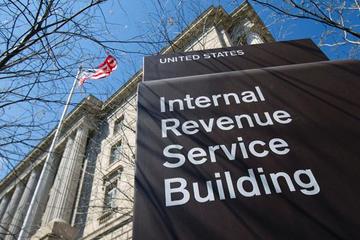
"With the increasing prevalence of sophisticated cybersecurity and privacy threats in the market, we agree that ensuring the security of taxpayer PII is a vital priority, and we applaud the IRS for working with and seeking input from the industry to craft effective solutions," wrote NAFCU and CUNA, along with other trade associations representing the lending and service provider industries in a letter to Acting IRS Commissioner David Kautter.
The IRS earlier this month made clear its plans to redact personally identifiable information from the transcript responses it provides for 4506-T requests by the end of August. For Income and Verification Express Services (IVES) participants, the IRS will instead provide a self-determined alpha-numeric tracking ID on transcript responses that will be manually keyed into the IRS system when the transcript is generated and will be used to associate redacted transcripts upon delivery.
The main concern among the trade groups was the timeline, with CUNA and NAFCU saying the August deadline is not enough time to effectively design and test the alpha-numeric coding system or to notify clients and consumers of the changes. They also noted the cost of implementing the changes, the importance of income validation in the process and coordinating changes with other IVES participants.
NAFCU added that it will continue working with the IRS and other stakeholders to ensure PII is protected while still maintaining an effective mortgage underwriting system.
Separately, NAFCU and CUNA, along with The Clearing House and the American Bankers Association sent a letter to the Board of Governors of the Federal Reserve System offering support for its proposed amendments to Regulation J. The amendments, as noted in the letter, would remove obsolete provisions and align the regulation with recent amendments to Regulation CC related to the all-electronic check collection and return environment.
In a letter, the groups said they agreed with efforts to align the two regulations: "We believe that this approach will help to improve consistency between, and reduce unnecessary duplication within, the two regulations." However, the trades suggested additional ways the Fed could ensure Regulation J and Regulation CC are consistent.
The letter goes on to explain several aspects of the Fed's Regulation J amendments, including:
- Aigning Regulation J and Regulation CC definitions for check, returned check and item
- Eliminating duplicative provisions related to the warranties and indemnities when Fed bank gives an electronic check to a paying bank or returns an electronic returned check to the depositary bank
- Clarifying recipients of Fed bank warranties for electronic checks, though the groups suggest the Fed provide same scope and recipients of the new electronic check warranties as provided under Regulation CC
- Authorizing the Fed to include in the Operating Circular warranties and indemnities addressing the sending of items and non-cash items Fed banks have agreed to handle
- Revising certain settlement procedures to remove rare forms of settlement, such as cash, cashier's checks or certified checks
- Clarifying that terms used in financial messaging standards, such as ISO 20022, do not confer or connote legal status or responsibilities