

WASHINGTON—After threatening to break one man’s jaw among other threats and illegalities, the Federal Trade Commission said a lawsuit filed has led to one company and the man behind it being banned from the cash-advance industry and to pay a fine.
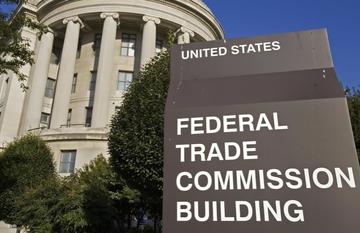
The lawsuit had been filed against RCG Advances, LLC and Robert Giardina, which resulted in a court order that permanently prohibits the company and owner from the industry.
The FTC alleged that the scheme’s operators lied to small business owners about terms and fees for their financing, and threatened them with violence when they were unable to pay. In addition, the court ordered RCG Advances and Giardina to make an upfront payment of $1.5 million and subsequent payment of more than $1.2 million to refund consumers.
‘Lied’ to Small Biz
“These defendants lied to small businesses about financing, stole money from their accounts, made violent threats, and gave false documents to the courts,” said Samuel Levine, director of the FTC’s Bureau of Consumer Protection. “This order bans them from the merchant cash advance business and requires them to return money to the businesses they cheated.”
According to the FTC, RCG Advances and Giardina, along with the other defendants in the case, operated a merchant cash advance scheme since at least 2015.
Merchant cash advances are a type of alternative small business financing. Generally speaking, merchant cash advance companies provide funds to businesses in exchange for a percentage of the businesses’ revenue, which typically are paid through daily withdrawals from the business’s bank account, the FTC explained.
The FTC said its investigation found that the defendants in the case, including RCG Advances and Giardina, lied to small businesses about numerous elements of the financing agreements before they were signed, and broke the law in their communications with businesses and their owners after the fact.
The Harm Caused
According to the FTC, the harm to small businesses and their owners were “extensive,” and included:
- Deceiving consumers about personal guarantees: The defendants’ websites falsely claimed that their cash advances required “no personal guaranty of collateral from business owners,” meaning that the people obtaining financing on behalf of companies would not have their personal possessions treated as collateral. In fact, their contracts did include those requirements, the FTC said.
- Forcing consumers and businesses into confessions of judgment: The defendants required businesses and their owners to sign confessions of judgment, which allow the defendants to immediately obtain an uncontested judgment in case of an alleged default. The complaint alleges that the defendants illegally and unfairly used these confessions of judgment to unexpectedly and improperly seize consumers’ personal and business assets
- Providing less funding than promised: The complaint alleges that when businesses received their funding from the defendants, it was often thousands of dollars less than promised. The shortfall was due to large supposed fees that were not disclosed to the business owners. This happened despite the defendants marketing promises of “no upfront fees,” the FTC said
- Threatening consumers and businesses: The complaint alleges that the defendants made threatening calls to consumers, including telling one man that they would “break his jaw” if he did not make his payments and, in another case, threatening to ruin a consumer’s reputation by falsely accusing him of being a child molester if he did not pay
Enforcement Action
Under a court order agreed to by the defendants in order to settle the case, they will be:
- Permanently banned from the business financing and debt collection industries
- Required to vacate judgments and liens: The defendants are being ordered to vacate any judgments against their former customers and to release any liens against their customers’ property
- Prohibited from misleading consumers: The defendants will be prohibited from misleading consumers about any key facts about any good or service, including any fees, the total cost of the product, and other facts that reflect their deceptions in this case
- Pay more than $2.7 million: The defendants are being ordered to pay more than $2.7 million, which will be used to provide refunds to consumers harmed by their actions, the FTC said.