

ALEXANDRIA, Va.–The NCUA board has voted 3-0 in favor of Interim final rule, Part 725, related to the Central Liquidity Facility. The changes approved are largely technical and have to do with aligning sunset dates on rules passed earlier by NCUA and legislation passed by Congress.
While technical in nature, all three NCUA board members used their monthly meeting to advocate for more credit unions to join the CLF.
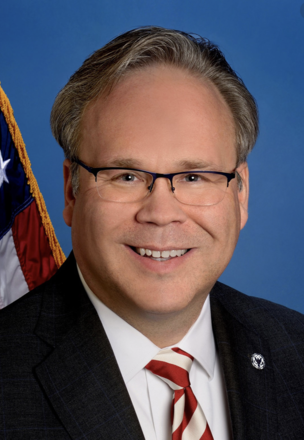
Todd Harper
The expanded authorities granted the CLF currently sunset at Dec. 31 2021, and all three board members all called for making the changes permanent.
Temporary changes to the Central Liquidity were first included in the March 2020 CARES Act. Those changes, which boosted the borrowing authority of the CLF, provided temporary access to corporate CUs as agent members to borrow, provided greater flexibility and affordability to agent members and gave the NCUA board greater flexibility, among other powers, were to sunset at year-end 2020.
The Consolidated Appropriations Act of late 2020 then extended those authorities. The new rule approved by the NCUA board aligns sunset dates in rules approved earlier by the NCUA board with the sunset dates in the Consolidated Appropriations Act.
Clarity & Transparency
NCUA Chairman Todd Harper said the board has issued the interim final rule to provide “clarity and transparency for all stakeholders.”
“These regulatory changes address the potential economic disruptions the COVID- 19 pandemic could cause and conform the NCUA’s regulations to extensions of statutory enhancements recently enacted in the Consolidated Appropriations Act at the end of 2020,” said Harper. “Throughout the COVID-19 pandemic, two of my top priorities have been, and will continue to be, ensuring that credit union members are protected and that the credit union system remains strong. In December, Congress enacted the Consolidated Appropriations Act, which included pandemic relief for credit unions and their members. The NCUA board and staff worked closely with congressional offices to receive this much-needed relief.”
Harper said the temporary changes have made it easier for CUs to join the CLF, including corporates, and provided numerous benefits, and indicated it’s time to “pursue permanent reforms. Any time there are economic contractions, we can expect credit unions’ liquidity needs to rise. Those liquidity needs may spike after the current expiration date of these statutory changes, or they may jump during a future economic crisis. As such, I will continue to urge Congress to make the CLF provisions first incorporated into the CARES Act permanent. Permanence would provide regulatory certainty during the current crisis and bolster the credit union system’s ability to respond to future emergencies.”

Kyle Hauptman
Harper, like his fellow board members, urged credit unions that are not currently members of the CLF to do so.
Hauptman: A Lesson from 2020
NCUA Vice Chairman Kyle Hauptman said he is “fully aware that right now most credit unions are awash in short-term liquidity, so today’s proposed changes to the CLF may not attract a lot of attention. But if 2020 has taught us anything, it’s that circumstances can change quickly.”
Added Hauptman, after saying he agrees with the need for more CUs to join the CLF, “I’d like to emphasize our responsibility to ensure the CLF is a compelling option for credit unions of all sizes.”
Hauptman said the CLF was created in 1979 when credit unions could not access the Federal Reserve’s Discount Window, because Congress knew that having a reliable source of liquidity would improve the financial stability of credit unions in general. Just a few years after its formation, the CLF “proved its worth during the Penn Square crisis and helped prevent the failure of over 150 credit unions,” said Hauptman.
“The CLF can be a powerful tool in an emergency, but we must plan now,” said Hauptman. “Ensuring the CLF is fully prepared for the future will require making it useful to credit unions of all sizes. This can only be done with focused and full-time leadership.
Hauptman, like Board Member Rodney Hood who followed him, called for filling the vacant CLF president position as soon as possible.

Rodney Hood
Hood: Not a Matter of If, But When
In offering his comments during the board meeting, Hood pointed to remarks he made during the NCUA Board meeting of April 2020: “Right now, we are facing an unprecedented disruption to our economy. And we do not know for sure how the situation will unfold and what the fallout might be. It is difficult to forecast. However, we must take steps to preserve our system’s capacity and to safeguard its members.”
“I’m not sure any of us knew where we would be a year later after the COVID-19 pandemic spread through the country and the world,” said Hood. “Today, the credit union system is awash in capital and liquidity. Another stimulus will be hitting many members' accounts soon if it hasn’t already. But, as I have said before, we should prepare for the worst and hope of the best. One of the best ways for the NCUA to prepare for the worst and hope for the best is to have a robust Central Liquidity Facility.”
Hood said the CLF is vitally needed, even if the agency and credit unions never know when it will be needed.
“When the next liquidity crisis does come, and it will come--we just don’t know when and we don’t know what will cause it, we need to be prepared,” said Hood.
Hood said since changes were made by the CARES Act, as of March 12, 2021, the CLF has 71 new regular members and 11 new agent members. The 11 new corporate credit union agent members represent an additional 3,762 natural person credit unions. In total, 4,110 credit unions are either CLF members or represented by an agent member, Hood said.