

RESTON, Va.–A new report finds consumers open to embracing alternative payment solutions, including wearables and smartphones, but also a “high degree” of concern around security.
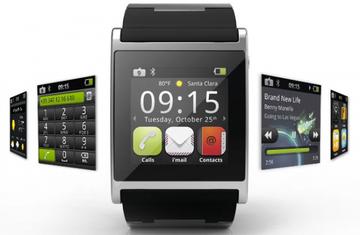
The study, commissioned by Transaction Network Services and titled “Consumer Differences Shape Alternative Payments and Cashless Systems Adoption,” surveyed more than 3,000 consumers in the United States, United Kingdom and Australia.
The Findings
Among the findings:
- 44% of respondents are willing to make a payment using a wearable device like a ring or a bracelet
- 65% expressed that security concerns would stop them from using a wearable device to make a payment
- Australians are most concerned about security (68%), versus Americans (64%) and Britons (63%)
- More than half of male smartwatch owners have used it to make a payment
- A majority of respondents (55%) like using mobile payment apps on their smartphone to make payments because they are quick and easy. U.S. adults are the highest adopters of such apps with 59% preferring the convenience of mobile payment apps
- Only 60% of US respondents made on average at least one contactless payment each week, as compared to 75% of Australians and 79% of Britons
- When asked about cashless systems specifically in a university setting, 73% of adults said that this was preferred over carrying cash, locating an ATM, or having the right change for a machine
‘Promising Trend’
“This initial study reveals a promising trend for alternative payments,” said Bill Versen, Chief Product Officer for TNS. “Mobile and wearable devices are demonstrating strong acceptance, and TNS believes this trend will only accelerate as the technology becomes more pervasive.”
Security Concerns
But the report also revealed that security remains a concern. “Merchants need to continue to invest in and deploy payment systems that protect against data breaches,” added Versen. “As the report illustrates, a lack of security is really the only gating factor to enabling a wider adoption of cashless payments.”