

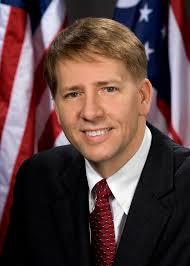
Richard Cordray
WASHINGTON—The Consumer Financial Protection Bureau is reporting that when a small incentive is offered to prepaid card users to put some of their money into a savings “wallet,” it doubles response.
The finding was released as part of other results from its Project Catalyst research project.
The study also found that the consumers who chose to save using the wallet continued to save after the pilot ended, and further found that participants who were offered an incentive to open the savings wallet reported significantly less payday loan use than those who were not offered the incentive.
“Promoting savings among consumers is an important goal for the Consumer Bureau. This Project Catalyst research shows that encouraging and enabling users of prepaid cards to set aside funds can help people reach their short-term financial goals,” said CFPB Director Richard Cordray. “Importantly, it also shows that consumers who are encouraged to save can reduce their use of payday loans.”
CFPB explained that American Express launched a pilot program that encouraged certain prepaid card users to set money aside in a non-interest bearing savings wallet that was separate from funds used for regular transactions. The company tested several strategies to encourage savings. Marketing efforts included encouragement via email or direct mail. Messages to consumers included generally touting the benefits of setting aside funds, and highlighting the automatic transfer feature they could sign up for. Another strategy was a promotional incentive that gave customers $10 on their prepaid card if they put in $150 of their own money in the savings wallet by a certain date.
“The trial program included about 540,000 prepaid card users, many of whom were low- and moderate-income consumers. Many of the participants did not have access to traditional savings accounts and may face unique challenges building savings. The company agreed to share its data from the pilot with the Bureau,” the CFPB said.
The information was de-identified, and appropriate precautions were taken to ensure that individual consumers could not be identified through the data. The project included a follow-up survey nine months after the trial ended, the Bureau stated.
The project findings included:
- Uptake of the savings wallet more than doubled with financial incentive: Simple methods of encouraging consumers to set aside funds with a prepaid card drove consumers to take action. The research indicated that, for example, when the company offered consumers $10 to enroll in the savings feature, uptake increased by over 100%.
- Savings continued even after the pilot ended: The pilot ran for a period of three months and the usage of the savings wallet was tracked for nine additional months. The study found that the typical maximum balance in the savings wallet among those who chose to set aside funds peaked at $150 but even after nine months was still $100.
- Payday loan use reduced by 20% to 40% for those offered an incentive: Participants who were offered $10 to open the savings wallet reported significantly less payday loan or paycheck advance product use than those who were not offered the incentive. Specifically, based on responses from the follow-up survey, participants offered an incentive were 20% less likely to use a payday loan in the past year. Those participants who were offered a combination of an incentive and various forms of encouragement to set aside funds were 41% less likely to use a payday loan in the past year, according to survey responses.
Over the past three years the Bureau has launched a series of initiatives focused on empowering consumers with resources and tools to help increase their financial capability and to build savings. These efforts include Your Money Your Goals, a nationwide effort to provide financial education and tools to those working in low-income communities. It also includes CFPB’s Ready? Set. Save! initiative to promote tax-time savings among low-to-moderate income consumers and raise awareness about their options for saving a portion of their tax refund.
The Bureau said its Project Catalyst initiative is designed to encourage consumer-friendly developments in markets for consumer financial products and services.