

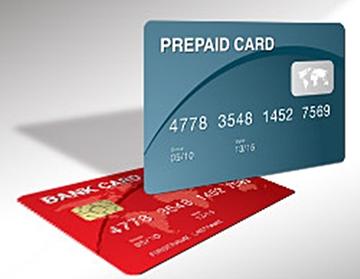
AUSTIN, Texas—Seven out of 10 prepaid cards do not fully disclose fees to consumers, a new study reveals.
CreditCards.com recently reviewed the disclosures on the packaging of 10 highly used prepaid cards from major retailers and payday lenders. The study found that few cards warn consumers about the upfront fees they carry.
“The lack of transparency makes it hard for consumers to pick the one that's best—and cheapest—to use,” CreditCards.com said.
In its review, just three prepaid cards sold at big retailers, drugstores, grocery stores and payday lenders met the disclosure standards recommended by the Consumer Financial Protection Bureau. Seven fell short by not disclosing important comparison information on the exterior of packaging, or not revealing it at all, the website stated.
“There is so much variation between them,” Christina Tetreault, a staff attorney at Consumers Union who works on financial issues, told CreditCards.com. “It makes it hard for consumers to comparison shop.”
Three cards—American Express Bluebird, American Express Serve and Green Dot’s prepaid card—met the disclosures proposed 18 months ago by the CFPB. The agency is expected to make its proposal a regulation as early as June. Seven others did not meet the now-voluntary disclosure standards, the report stated.
Those that failed to properly review fees: high-fee cards sold at two payday lenders. Workers at ACE Cash Express and Speedy Cash sold cards over the counter without any packaging or other fee information, the study revealed.
The CFPB’s prepaid rules are aimed at standardizing the cards’ fee disclosures to help shoppers compare prices. The CFPB listed 13 fees that prepaid debit cards should show on their packaging as part of regulations it proposed November 2014. The list includes 10 common fees that most cards have, plus three unspecified “incidence fees” that can crop up in certain circumstances—such as requesting a paper statement or making foreign transactions, CreditCards.com explained.