

MARLBOROUGH, Mass.–With credit unions still updating their own hastily developed response plans to the coronavirus pandemic, many are now also developing plans in response to the protests taking place across the country.
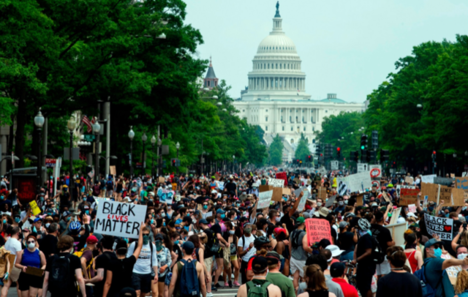
The protests, in response to the death of George Floyd at the hands of Minneapolis Police, have been largely peaceful, but there has been some violence and looting, leading credit unions in a number of areas to close branches and ATMs.
To provide some guidance, the Cooperative Credit Union Association hosted a Compliance Coffee Call webinar during which it featured advice on how to respond to the protests.
“Protests continue to happen across the country, impacting credit unions as employers, staff, members and local communities,” the Cooperative CU Association said. “While the concepts of free speech and the right to peaceful protest remain paramount, credit unions must be prepared to respond when circumstances change.”
Discussing strategies for implementing risk mitigation practices, Robert H. Bouvier, consultant with CUNA Mutual’s Risk & Compliance Solutions, offered an overview to the webinar on how CUs can best prepare.
“While having other types of safety processes and procedures in place are fairly common, many credit unions have not always accounted for or trained their employees on what to do in the event of a protest,” attendees of the CCUA webinar were told.
The Strategies
Among the risk mitigation strategies that were shared:
- Review all policies, procedures, and protocols to protect the credit union, its staff and members, including those relating to the pandemic, facility closings; remote workforce, absenteeism, business travel, and business continuity and resumption, for possible impediments
- Ensure the top goal is safety of members and employees
- Evaluate drive-up lane configurations for adjustments to ensure proper exit routes for motor vehicles, thereby avoiding trapped vehicles in any queue
- Raise awareness of surroundings with all staff, especially branch staff who may be temporarily working at another branch location and brief them on procedures at each facility
- Review plans to communicate developments with employees during both regular business hours, such as by email and text messages, as well as after business hours, such as by direct telephone trees, especially for late-breaking activities
- Consider steps to take when staff seek to discuss issues underlying civil unrest
- Stay in contact with law enforcement and/or local security providers and networks for latest and emerging developments
- Evaluate business decisions to close access to automated teller machines access or to limit the amount of cash available
- When faced with closing an office or staying open with reduced staff, opt for complete closing to ensure maximum personal safety of all
- When circumstances warrant, include a shelter in place strategy until any threat has passed
- Identify and remove attractive targets and projectiles, such trash receptacles, signs and parking lot guides
- Remind staff and members not to exit a building or motor vehicle if approached by protestors
- Under no circumstances allow staff or members to confront protesters at any level