

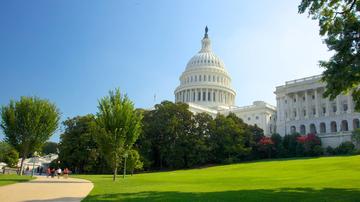
WASHINGTON—A number of regulatory relief bills that would help credit unions have been approved by the House Financial Services Committee this week, including the Mortgage Choice Act of 2017 (HR 1153).
The bills now await action by the full House, NAFCU reported.
HR 1153, which passed the committee by a 46-13 vote Tuesday, would adjust Truth in Lending Act (TILA) mortgage rules by exempting from the qualified mortgage cap on points and fees any affiliated title charges and escrow charges for taxes and insurance. When discussing the bill during mark-up, subcommittee Chairman Blaine Luetkemeyer (R-MO), cited statements from NAFCU witness Rick Stafford, president and CEO of Tower Federal Credit Union, on the need to pass HR 1153 to foster competition in the mortgage market, NAFCU reported.
NAFCU said other bills approved by the committee Wednesday include:
- Securing Access to Affordable Mortgages Act (HR 3221), which passed 32-26 and would provide some exemptions from appraiser requirements on mortgage loans for lower-cost dwellings.
- Protecting Consumers' Access to Credit Act of 2017 (HR 3299), which passed 42-17 and would amend various banking laws, including the Federal Credit Union Act, to provide that federal interest rate preemption applies "regardless of whether the loan is subsequently sold, assigned, or otherwise transferred to a third party," including a non-bank purchaser.
- TRID Improvement Act of 2017 (HR 3978), which passed 53-5 and would amend the CFPB's TILA/RESPA integrated disclosures rule (TRID), specifically how fees are presented on loan estimates and closing disclosure forms.
- HR 4296, which passed 42-18 and would place some requirements on operational risk capital requirements for financial institutions by a federal regulator, including credit unions and NCUA. In a letter to the committee ahead of Tuesday's mark-up, NAFCU Vice President of Legislative Affairs Brad Thaler urged the committee to continue a focus on capital requirements for credit unions, by considering action to provide credit unions relief from the NCUA's risk-based capital rule.