

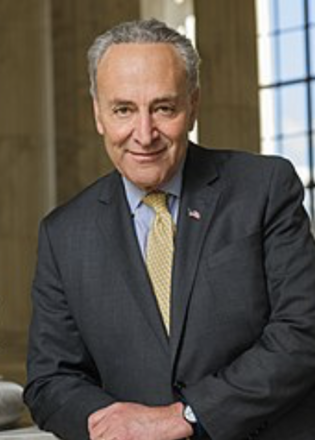
Chuck Schumer
WASHINGTON–Sen. Chuck Schumer (D-NY) has sent a letter to NCUA asking it to conduct an immediate review of what he called “deeply troubling conduct” by numerous former credit unions involved in taxi medallion lending.
The Schumer letter follows a 10-month long investigation by the New York Times that found the collapse of the taxi medallion market, which has cost the CU insurance fund approximately $750 million, was due to many factors beyond just the emergence of ride-sharing services, with responsibility and blame going to regulators, government officials and agencies, and the taxicab industry itself, as well as lenders that included credit unions.
Among those also receiving blame in the report: former Sen. Alfonse D’Amato (D-NY), who was Schumer’s Democratic predecessor in the Senate. D’Amato, the former chairman of the Senate Banking Committee, helped exempt the taxi trade from a number of rules.
In his letter, Schumer noted the New York Times report found that many NCUA-regulated CUs “worked to artificially inflate taxi medallion prices while hooking taxi drivers with reckless, exploitative loans. As a result of these predatory practices, taxi drivers lost their life savings and were left with crushing debt once the market crashed and the value of these medallions rapidly decreased.”
‘Emotional and Financial Price’
Schumer also pointed to a recent NCUA Inspector General report that suggested that with a timelier and more aggressive supervisory approach, some of the losses cab drivers experienced could have been mitigated.
The senator said he wants NCUA to respond to Congress with changes it believes should be made to its current supervisory practices to protect against such type of predatory lending in the future.
“The many families now paying the financial and emotional price for lackluster oversight deserve swift answers,” Schumer wrote.
As CUToday.info has reported, all of the credit unions cited in the New York Times report have since been placed into conservatorship and merged into other institutions. One former CU CEO remains the target of civil litigation.