

WASHINGTON—The Senate on Wednesday confirmed Kevin Warsh as the next chair of the Federal Reserve, handing President Donald Trump a major economic policy victory as inflation concerns and pressure over interest rates intensify.
Warsh was approved on a 54-45 vote, with Sen. John Fetterman (D-PA) joining Republicans in support.
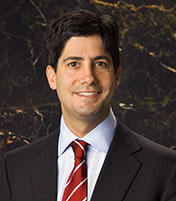
Kevin Warsh
Warsh, who previously served on the Fed’s Board of Governors from 2006 to 2011, will succeed Jerome Powell, whose term as Fed chair ends this week. The Senate had already confirmed Warsh Tuesday to a separate 14-year term on the Fed board before Wednesday’s confirmation vote for the chairmanship.
The confirmation comes as the central bank faces mounting political and economic pressure, including renewed calls from Trump for lower interest rates even as inflation has accelerated in recent months. During his confirmation process, Warsh pledged to maintain the Fed’s independence, although Democrats and some economists raised concerns over whether the White House could exert greater influence over monetary policy decisions under his leadership, Reuters said.
America’s Credit Unions congratulated Warsh.
"Affordability remains a concern for hard working Americans and Warsh’s previous experience will be critical as the central bank works to create stability and bolster consumer confidence in the economic system. America’s Credit Unions looks forward to continuing our strong relationship with the Federal Reserve to ensure monetary policies support the success of credit unions and their 146 million members,” said Scott Simpson, America’s Credit Unions president/CEO.
The Defense Credit Union Council congratulated Warsh, noting he takes over the Fed chairmanship during a period of significant uncertainty surrounding the future of the payments system, interchange regulation, and consumer financial protections.
“Defense credit unions serving servicemembers, veterans, and military families need a Federal Reserve that recognizes how regulatory decisions tied to Regulation II, interchange routing mandates, and broader electronic funds transfer rules directly impact financial institutions’ ability to prevent fraud, maintain secure payment systems, and provide affordable financial services,” stated DCUC Chief Advocacy Officer Jason Stverak. "DCUC has consistently expressed concerns with efforts to further reduce interchange revenue through changes to Regulation II and the Durbin framework. Additional cuts to debit interchange fees threaten the ability of many institutions to continue investing in fraud prevention, cybersecurity, payments innovation, and member service enhancements. At the same time, growing routing mandates and merchant-driven changes to the payments ecosystem risk increasing fraud exposure and operational complexity across the financial system.
“Recent litigation and ongoing appeals involving Regulation II underscore the legal and economic uncertainty now surrounding the debit interchange framework. DCUC believes the Federal Reserve under Chair Warsh should take a balanced, transparent approach that prioritizes financial stability, fraud mitigation, and consumer protection instead of advancing policies that disproportionately benefit large retailers at the expense of consumers and community-based financial institutions," continued Stverak. "DCUC also believes the Federal Reserve and financial regulators must carefully examine the cumulative impact of aggressive overdraft and electronic funds transfer regulatory proposals tied to Regulation E and related consumer finance rules. While protecting consumers remains critically important, policymakers must ensure regulations do not unintentionally reduce access to short-term liquidity options for military families and working Americans already facing inflationary pressures and economic uncertainty.”