

WASHINGTON — Credit card use in the U.S. continued to expand in 2024, but the growth has become increasingly concentrated among higher-income, higher-credit-score consumers, according to the Consumer Financial Protection Bureau’s latest biennial review of the credit card market.
The report, required under the CARD Act, paints a picture of a mature market with record balances, historically high interest rates, and widening segmentation among issuers and borrowers.
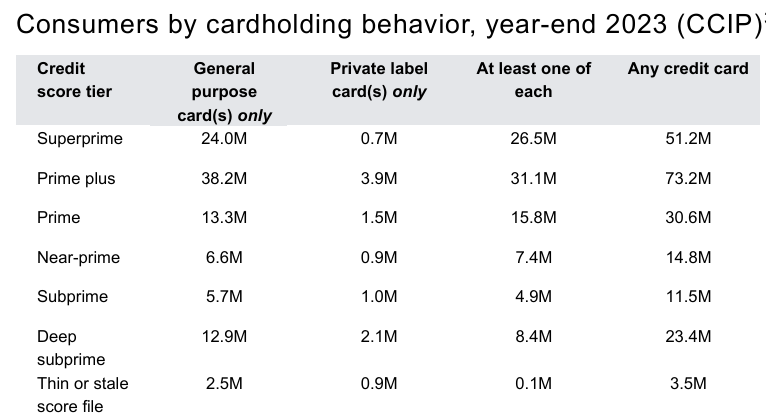
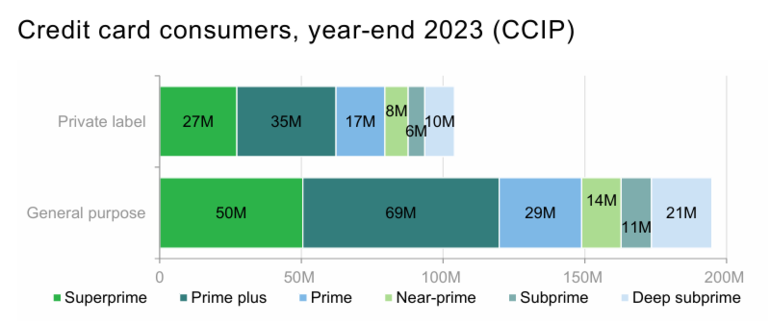
Total credit card purchase volume climbed to $3.6 trillion in 2024, up from $3.2 trillion two years earlier, but virtually all of that growth came from consumers with prime-plus and superprime credit scores. Spending by consumers with prime or lower scores has been essentially flat since late 2023, even as the number of cardholders in those tiers has increased. For credit unions, this divergence underscores the challenge of growing card portfolios without over-relying on higher-risk segments or losing ground to large issuers competing aggressively for top-tier borrowers.
At the same time, credit card debt has reached new highs. Total balances topped $1.2 trillion in 2024, with the average cardholder carrying about $5,300—well above pre-pandemic levels. Among prime borrowers, average balances climbed to roughly $8,700. While balance growth has slowed from the surge seen in 2022, the report shows that revolving credit has returned to pre-pandemic norms, signaling that many households are once again relying on credit cards to manage cash-flow pressures.
The cost of that borrowing has risen sharply. Average APRs reached 25.2% for general-purpose cards and more than 31% for private-label cards, the highest levels in at least a decade. New accounts carried even higher rates. The CFPB attributes most of the increase to changes in the prime rate, but the result is a record $160 billion in interest charges paid by consumers in 2024, up more than 50% from 2022.
For credit unions, which typically price cards below large banks, the spread between cooperative products and national issuers may become a more visible competitive advantage—if members can be reached before balances spiral, analysts stated.
Payment stress is also becoming more apparent. The share of cardholders making only the minimum payment rose to its highest level since at least 2015, including notable increases among prime and near-prime borrowers. Delinquencies and charge-offs peaked in early 2024 before easing back toward pre-pandemic levels by year-end, suggesting that while credit quality remains manageable, many households are operating with less margin for error.
One area of particular relevance is issuer segmentation. The report shows that institutions with less than $100 billion in assets hold more than half of all below-prime credit card balances.
By contrast, the largest issuers dominate the superprime segment, using rich rewards and benefits to attract high-spending consumers. The CFPB notes that smaller issuers tend to rely more heavily on risk management, pricing discipline, and niche strategies rather than rewards escalation.
The report also highlights continued growth in cash-back cards, which now represent the largest share of general-purpose accounts, while no-rewards cards continue to fade. Promotional 0% APR offers remain widespread, accounting for roughly one-third of purchase volume and balances, but the CFPB found that accounts with introductory promotions tend to carry higher long-term balances.
Finally, the CFPB points to emerging competitive pressures from technology and alternative payment models. Artificial intelligence is reshaping underwriting, servicing, and fraud detection, while alternative payment methods—including pay-by-bank options and stablecoins—could eventually erode traditional card volumes. While those shifts remain early, the Bureau suggests they could alter issuer economics and consumer behavior over time.