

HOLLYWOOD, Calif.–The increasing cost of new vehicles is making leasing a better option for an increasing number of consumers and credit unions, according to one person.
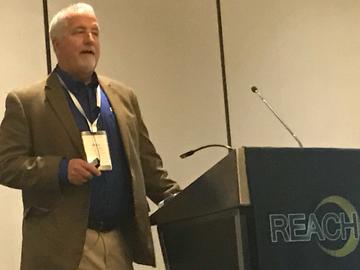
Mark Chandler
How expensive have those vehicles gotten? As Mark Chandler related, “We just did a lease on one truck that costs $110,000.”
Chandler, VP-business development with Credit Union Leasing of America (CULA), told the California and Nevada leagues’ REACH Conference here all of the technology options on vehicles are a big driver of big sticker prices. For that reason, not only has leasing become a stronger option, but so has the emergence of subscription packages—part of the “usage economy”–in which consumers can pay a monthly fee and have access to a variety of vehicles, plus insurance.
Subscriptions are a non-ownership model that fits between renting and leasing. It can include flexible terms, bundled insurance, bundled maintenance, and vehicle swap-outs, Chandler said. Companies in the space include Mobiliti, Canvas, Fair and others, many of which, said Chandler, are really working to build enough share to go public. The problem with the business: the subscription costs can be massive, as much as $2,000 a month.
“I don’t believe these subscription-based models are going to interrupt to much our traditional model,” said Chandler.
How Payments Compare
The rising cost of vehicles can be seen in the extended terms on loans and the growing size of payments. Chandler said the average loan payment today is now just over $500 and the average term is just over 68 months. The average monthly lease payment is $406, he said.
“Not every consumer should lease a car, and not every credit union should get into leasing, but it does make sense for the right ones,” he said, adding that in 2003 15% of vehicle market was leasing; today it is 31%.
Chandler said Millennials and consumers over age 75 are the two groups who have primarily taken to leasing.
“The transformation is changing the ways drivers think about transportation. It’s about lifestyle, getting more car for the dollar,” said Chandler. “Credit unions should consider their participation in the new usage-based economy. Look for opportunities to participate and get quality loans that stay on your books.”