

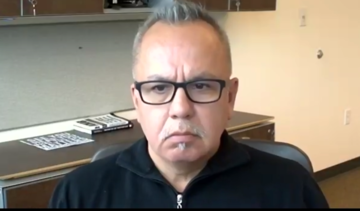
Ben Morales
ONTARIO, Calif.–Credit unions have the opportunity to build a “liquidity lifeline” for desperate members, especially as the pandemic continues, in the form small dollar loans, according to two people.
Speaking to the California and Nevada Leagues’ Virtual REACH 2020 Conference, Ben Morales, CEO of QCash Financial, noted government assistance has done a good job of “propping up communities” during the pandemic, but that assistance has run out for many and it’s unknown what relief might lie ahead.
That has many Americans teetering on financial troubles.
“At this point in the recovery we want to do all we can to keep members moving forward instead of falling back,” said Morales. “We want credit unions to be able to answer, ‘What is my lifeline to ensure our members can continue to move forward?’”
For most members, quick access to liquidity is available only from predatory lenders, he said.
More Month Than Money
“What is members’ alternative when there is more month than money?” he asked. “It is important to understand the financial status of our members.”
Prior to the COVID-19 pandemic, Morales recalled reading headline after headline about strong economic growth. But those headlines hid a reality for many, he said, saying total debt among Americans was higher than prior to the Great Recession, and that included $667-billion in delinquent debt.
“Sixty-five percent of American families were unprepared for economic shock, and that was before COVID,” Morales told the meeting.
Morales said Americans fall into three categories when it comes to financial health:
- 17% are financially vulnerable (43 million people)
- 54% are financially coping (135 million people)
- 28% are financially healthy (73 million people)
Morales said many minorities use alternative financial services exclusively rather than mainstream financial institutions.
“Our abilities to help these folks avoid them is in providing the lifeline to hold on to,” he said. “A more inclusive approach to lending is needed. A more inclusive approach involves the use of member relationship data by broadening the access. One credit union with a small dollar loan program uses relationship data and not credit scores to underwrite loans. Fifty-four percent are (credit scores) below 659, and 16% are below 580, or deep subprime. Ninety-three cents of every dollar paid to these members is paid back. It’s extraordinary.”
‘An Inclusive Solution’
Access to short term credit, added Morales, contributes to an individual’s ability to achieve financial health.
“The members are on a journey,” Morales said. “We have not hit bottom yet and they are going to continue to experience situations where they need credit unions to help them along the way. Minorities are going to be disproportionately impacted, and you need an inclusive solution to help with that.”