

CAMBRIDGE, Mass.– A class action lawsuit has been filed against Harvard University Employees Credit Union over its overdraft fee practices.
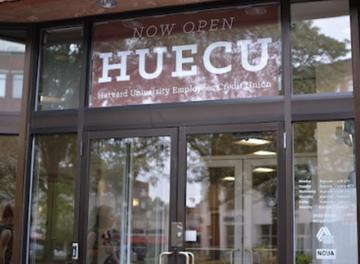
Similar to lawsuits that have targeted other credit unions and banks, the action alleges HUECU has a “routine practice of assessing an overdraft fee on transactions that did not actually overdraw checking accounts.”
The plaintiff in the suit is Sharon Francis, who is seeking class action status on behalf of other members. The suit states that Francis in July of 2022 was assessed OD fees on debit card transactions even though she had positive funds at the time. Francis is being represented by Hackett Feinberg, P.C. in Boston and KARLIELGOLD, PLLC in Washington.
CUToday.info contacted HUECU for comment but as of this report has not received a response.
“Harvard University Employees CU’s customers have been injured by the Bank’s improper practices to the tune of millions of dollars bilked from their accounts in violation (of, sic) Harvard University Employees CU’s clear contractual commitments,” the complaint alleges. “Plaintiff, on behalf of herself and Classes of similarly situated consumers, seeks to end Harvard University Employees CU’s abusive and predatory practices and force it to refund all of these improper charges.”
The plaintiff is asserting a claim for breach of contract, including breach of covenant of good faith and fair dealing, and is seeking damages, restitution and injunctive relief, according to the filing.
The suit, which states HUECU has $800 million in assets when it in fact has $1.145 billion in assets, alleges that damages in the case are in excess of $50,000.
Authorize Positive/Settle Negative Cited
According to the complaint, Simpson is a member of HUECU who has a debit card linked to her checking account. The suit states the credit union has a practice of charging OD fees on what are referred to in the lawsuit as “Authorize Positive, Purportedly Settle Negative Transactions.”
“Here’s how it works,” the complaint states. “At the moment debit card transactions are authorized on an account with positive funds to cover the transaction, Harvard University employees CU immediately reduces accountholders’ checking accounts by the amount of the purchase, sets aside funds in a checking account to cover that transaction, and as a result, the acountholder’s displayed ‘available balance’ reflects that subtracted amount. Therefore, customers’ accounts will always have sufficient available funds to cover these transactions because Harvard University Employees CU has already sequestered these funds for payment.
“However, Harvard University Employees CU still assesses crippling OD Fees on many of these transactions and misrepresents its practice in its Account Documents.
Funds ‘Sequestered’
“Despite putting aside sufficient available funds for debit card and other POS transactions at the time these transactions are authorized, Harvard University Employees CU later assesses OD fees on those same transactions when they purportedly settle days later into a negative balance. These types of transactions are APPSN Transactions.
“Harvard University Employees CU maintains a running account balance in real time, tracking funds accountholders have for immediate use. This running account balance is adjusted, in real-time, to account for debit card transactions at the precises instance they are made. When a customer makes a purchase with a debit card, Harvard University Employees CU sequesters the funds needed to pay the transaction, subtracting the dollar amount of the transaction from the customer’s available balance. Such funds are not available for any other use by the accountholder, and such funds are specifically associated with a given debit card transaction.
“That means when any subsequent, intervening transactions are initiated on a checking account, they are compared against an account balance that has already been reduced to account for any earlier debit transactions. This means that many subsequent transactions incur OD Fees due to the unavailability of the funds sequestered for those debit card transactions.”
CFPB Statements Cited
The suit also cited statements from the CFPB that such practices are “unfair” and “deceptive.” It also quotes from HUECU’s account contract.
As CUToday.info reported earlier, during CUNA’s GAC NCUA Chairman Todd Harper said authorize positive/settle negative transaction practices would be one area of focus for the agency this year, while in a separate, strongly attended session, several attorneys also warned credit unions about the threat.
In response to the suit, Mike Bell, an attorney with Honigman, LLP, told CUToday.info, “Overdraft class action suits have been raging for years, with all due respect, at this point it sure feels like we are in the ‘pile on, see what you can luck into’ stage. Many credit unions have been vigorously defending these for the benefit of their members.”
Feeling the FOMO Fever? CUToday.info Has a Prescription
Are you missing out on the latest news in credit unions? Missing the trends and developments you need to be aware of? We can help. Each morning CUToday.info delivers its daily Fresh Today news update offering the latest headlines and breaking news right to your email, with the easy-to-read headlines format allowing you to click on the stories that interest you most in order to learn more.
And it’s free!
If you haven’t yet signed up for the new email solution on which CUToday.info has partnered with ResponseGenius, you can do so here. Signing up requires less than one minute of your time—and it’s free!
Please note that after signing up you may need to go to your Spam/Junk folder and mark the morning headlines email as safe. CUToday.info does not provide its list of readers and emails to outside parties, and we will not be contacting you to sell you an extended warranty or sending you any links so you may cash in on an inheritance you didn’t know was coming.
And did we mention it’s free?
Please note and/or make your IT department or email administrator aware the emails will be coming from the domains CUTodayinfo.com and CUTodayinfoReply.com