

MADISON, Wis.–The World Council of Credit Unions said it has concluded its Financial Inclusion Project at the border of Venezuela and Columbia, having reached 253,055 rural, low-income Colombians with financial services.
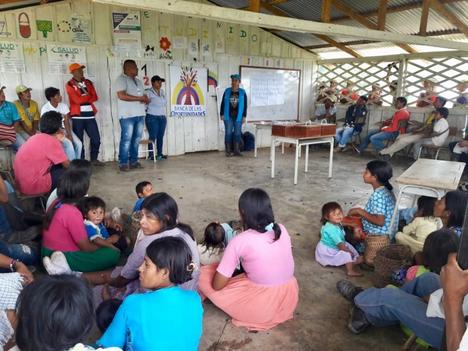
Nearly half of those people are now included in the formal financial system for the first time, WOCCU reported.
The project, funded by Banca de las Oportunidades, utilized World Council’s Field Officer Banking Model. Since most of the rural villagers in the region don’t have access to a physical branch location—and traveling to a city that has one can cost families more than half of their savings—field officers from local credit unions traveled to border areas via motorcycle to offer mobile banking services, WOCCU said.
What Was Provided
The project also supported financial literacy activities to improve savings-mobilization and increase knowledge about the financial services and products being offered. From August 2016 to August 2019, WOCCU said these efforts provided:
- 7,713 adults with in-person financial education in cities and intermediate municipalities
- 12,502 adults with in-person training in small villages and rural areas
- 72,000 people with access to Financial Days—marketplaces that allowed multiple financial institutions to visit communities and market themselves to new members
Other Assistance Provided
The project also provided skills training for 1,200 jobless adults—300 of which are now employed—and supported or strengthened nearly 4,000 small businesses to improve their sustainability, linking them with financial services, WOCCU said.
“All of this was accomplished despite the economic, social and political unrest impacting Venezuela every day, and the alarming effects and consequences it has caused on the border with Colombia,” said Oscar Guzman, WOCCU’s project director in Colombia.
This was the fourth Banca de las Oportunidades’ financial inclusion project administered by World Council since 2008. WOCCU said it is now focused on providing formal financial services to the scores of Venezuelan refugees now residing in Colombia.