

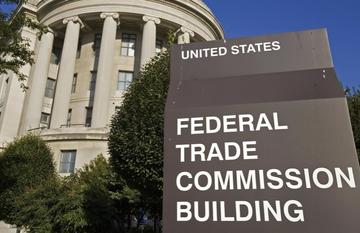
WASHINGTON—The Federal Trade Commission has taken action against payment processing company First American Payment Systems and two of its sales affiliates for “trapping” small businesses with hidden terms, surprise exit fees, and zombie charges.
The FTC is alleging the defendants made false claims about fees and cost savings to lure merchants, many of whom had limited English proficiency.
“Once merchants were enrolled, the defendants withdrew funds from their accounts without their consent, and made it difficult and expensive for them to cancel the service,” the FTC stated.
Under a proposed federal court order, the defendants will be required to return $4.9 million to harmed businesses, stop their deception, and make it easier for merchants to cancel their services, the FTC said.
The company has issued a statement saying it "flatly denies" the FTC charges.
Services Provided
Texas-based First American Payment Systems provides payment processing services across the country, which it markets through its affiliates Eliot Management Group and Think Point Financial. They market their services to small- and medium-sized businesses who rely on credit cards, debit cards, and checks as a way to accept payment from their customers.
The FTC said its investigation found First American relied on deceptive pitches to businesses to convince them to use the company’s services, and when businesses attempted to cancel, the company would often hit them with cancellation fees based on contract terms that were hidden in fine print in their signup system, as well as debit their accounts without authorization.
‘Harmful Practices’ Outlined
The FTC further stated First American is charged with engaging in a number of harmful practices against merchants:
- Deceiving businesses about pricing and savings with hidden terms. “The defendants pitched businesses with promises of small monthly fees, sometimes as low as zero, but the FTC’s complaint alleges that these claims were often false. The defendants also claimed that the businesses would save a lot of money over the course of a year by switching to defendants’ services but did not take into account the fact that First American periodically raises its prices for existing customers.”
- Imposing surprise fees when small businesses try to cancel. “The complaint alleges that defendants’ sales people regularly promise businesses they will be able to cancel services any time or within a trial period without a fee, when the company’s standard written agreement requires businesses to sign on to a three-year term with a $495 cancellation fee. In many instances, the business owners have limited English proficiency, and while the sales are conducted in their native language, the paperwork is only available in English.”
- Using an online enrollment system that obscures key contract terms. “The defendants’ online enrollment system for new customers hid a three-year obligation, cancellation requirements and fees, the fact that agreements would automatically renew, and other important information from business owners,” the complaint alleges. “These important facts often were in densely-packed documents that required business owners to click separate links to find.”
- Hitting small businesses with zombie charges after they withdraw consent accounts. “The complaint alleges that First American continued to make withdrawals from businesses’ bank accounts even after the businesses have withdrawn consent. For example, the complaint alleges that at times when a business acts to stop payments to the company from their bank, First American will attempt further withdrawals under different business names to evade stop payment orders.”
Enforcement Action Taken
The FTC said defendants in the case have agreed to a proposed federal court order that will require them to:
- Stop misleading consumers: The order will prohibit the defendants from misleading consumers about important contract terms like cancellation fees, while also prohibiting them making any unsubstantiated claims about their products or services, including specific pricing promises.
- Stop unauthorized bank withdrawals: The defendants will be prohibited from making withdrawals from any of their customers’ bank accounts without authorization, or after the customer has stopped any attempt to debit money from their account or communicated to the defendants that they refuse payment.
- Make cancellation easier: The defendants will be required to put a cancellation procedure in place that businesses can easily discover and use.
- Stop charging existing customers early termination fees: For consumers who signed electronic agreements with First American before April 6, 2020, the defendants will be prohibited from collecting any early termination fees or telling these customers that they will owe such fees if they cancel.
- Provide money to refund consumers: The defendants will be required to turn over $4.9 million to the FTC, which will be used to provide refunds to affected businesses.
Company Response
In response, the company issued a statement saying, "First American flatly denies the allegations in the FTC complaint, which are one-sided and based on a flawed understanding of our business and our industry. Their lengthy inquiry was an unfocused fishing expedition. We did not use tricks or traps to lure business owners, nor did we create barriers to exiting our services or charge surprise or illegal fees. We did not withdraw money for the services we provided to merchants without their authorization. The many other characterizations of our business by the FTC are inflated and inaccurate. We fully cooperated throughout the entire investigation and highlighted our commitment to compliance and transparency. We agreed to settle this case to avoid a long, protracted legal battle and the associated expense.
"Our agreements disclose all aspects of receiving payment processing services from us. No payment processor has been previously required to comply with ROSCA, and it was inappropriately applied to us in this case. Congress enacted ROSCA to protect consumers from online sales involving recurring monthly fees for membership clubs, recurring billing and shipping programs and subscription plans; not to encompass merchant processing agreements or other commercial transactions with automatic renewal clauses simply executed online nowadays. We always operate with the highest integrity, working side-by-side with our customers to meet their needs and we will continue to do so in the future."