

WASHINGTON —While much of the post-election focus has been on how a divided Congress will work, it appears financial institutions will be dealing with a divide of their own.
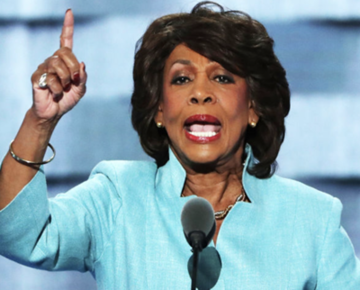
Maxine Waters
While a Fed official said last week that regulators were preparing to soften some rules imposed on the biggest banks after the financial crisis, several Democrats who will be in the House leadership when the new Congress convenes suggested they plan greater scrutiny of the big banks.
The New York Times quoted Randal Quarles, the Fed’s vice chairman for supervision, as saying the Fed wants to make rules more efficient and less burdensome for banks and further saying he is seeking to end the “public shaming” of banks that had developed around the Fed’s annual stress tests.
“What we’re doing is recalibrating in light of experience,” he said during a speech at the Brookings Institution, the Times said.
Other Plans
But House Democrats have other plans.
“We have oversight of the big banks,” said Rep. Maxine Waters (D-CA), who is expected to become the chairwoman of the House Financial Services Committee. She said she wanted to make sure “our banks are providing the services we are expecting them to provide,” the Times said.
Bank profitability rose significantly during the first half of 2018, and the Trump administration has argued regulation is impeding lending, the Times noted, even as a new Fed report has found overall loan growth “remains robust,” up by about 30% since 2013 despite the continued weakness of residential real estate lending.
Focus on Wells Fargo
Waters said she was more concerned about the laxity of regulation in some areas than bank lending.
“A vocal critic of Mr. Trump’s policies, Waters will soon be armed with subpoena power and oversight authority of financial institutions and federal regulators,” the Times noted.
Waters has said she will be particularly focused on Wells Fargo, which, as CUToday.info has reported, has paid billions of dollars in penalties for a wide variety of fraudulent activity.
Waters told the New York Times she also plans to look carefully at the efforts of Mick Mulvaney — the acting director of the Consumer Financial Protection Bureau — to weaken the bureau’s enforcement activities