

BASINGSTOKE, U.K.–A new study from Juniper Research suggests the total number of QR code payment users will exceed 2.2 billion in 2025, up from 1.5 billion in 2020; equating to 29% of all mobile phone users across the world in 2025.
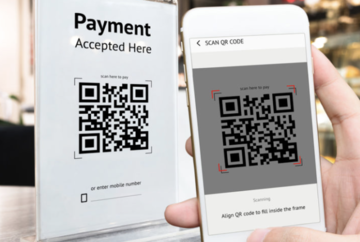
The Juniper Research Report predicts that much of this growth will be within emerging markets, where weak card infrastructure creates a strong opportunity.
“However, the research also found that the U.S. will see a strong growth of 240% in user numbers between 2020-2025, as QR code payments tap into the need for cashless payments stimulated by the pandemic,” Juniper Research reported.
The research identified PayPal’s rollout of QR payments and its partnership with CVS as key drivers of the renaissance of QR payments within the U.S. market.
The new research, QR Code Payments: Key Opportunities, Regional Analysis & Market Forecasts 2021-2025 Research, identified that QR codes’ ability to combine payments and loyalty make them ideal for retailers seeking to leverage valuable transactional data, Juniper Research stated, adding the low-cost nature of these solutions will enable the growth of QR code payments to reach over $2.7 trillion globally in 2025.
“QR code payments have low acceptance costs versus contactless payments, meaning that they are highly competitive and appealing to retailers in emerging markets, which lack card infrastructure,” said research author Nick Maynard. “However, the low costs mean that accepting QR codes alongside cards is also viable. Partnerships in developing markets will be critical to driving QR adoption.”
National Payment Schemes Drive Growth
According to Juniper, the research further found national QR code payment standards, such as SGQR in Singapore, will be major accelerators to the growth of QR code payments.
“By 2025, national QR code payment schemes will account for 22% of all QR code payments by volume, compared with just 8% in 2020,” Juniper stated. “The research recommends national regulators make QR schemes a priority, to ensure widespread digital payments adoption and interoperability of payment methods.”
The white paper can be found here.