

EL SEGUNDO, Calif.–A new report reveals to what degree financial stress is increasing among Americans, finding a “tale of two economies.”
The new Workplace Financial Wellness in America report from Financial Finesse offers an annual snapshot of the American workforce through the lens of financial wellness, according to the company. It was compiled by the Financial Finesse Financial Wellness Think Tank, which the company said analyzes employee financial stress and resilience levels, reporting on how workers feel about their finances, what’s contributing to the financial wellness gap, and the role of holistic financial wellness programs in addressing these issues.
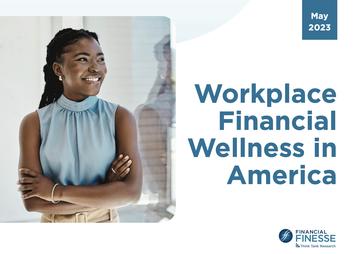
The study comes along with the release of Combating Employee Financial Stress, a companion report featuring proven tactics employers can use to increase the efficacy of financial wellness benefits, according to Financial Finesse.
The Emerging Tale
“The story we’re seeing emerge from this past year is a tale of two economies,” Founder and CEO Liz Davidson said in a statement. “While there are encouraging signs with gains in the stock market and more people reporting financial stability, these positive trends come from people with existing assets. Persistent inflation and higher interest rates have left Americans who are struggling more financially vulnerable than ever.”
Key Findings
According to Financial Finesse, key findings in the report include:
- Financial Stress is Increasing Overall. “Regardless of income level, American workers were more likely to report feeling high or overwhelming levels of financial stress than in prior years, with financially stable employees concerned about a looming recession and financially struggling employees worried about their ability to make ends meet,” Financial Finesse said. “The percentage of employees reporting unmanageable levels of financial stress rose by 16% from 2022 to 2023.”
- Financially Stable Employees with Assets are Pulling Ahead: The percentage of financially secure employees increased by 69% from 2022 to 2023.
- At-Risk Employees are Falling Further Behind. The percentage of employees in financial crisis increased by 24% from 2022 to 2023, Financial Finesse reported.
Effects From Coaching
According to Financial Finesse, the report also analyzed the effectiveness of financial coaching, finding 52% of workers who initially reported high or overwhelming financial stress subsequently reported some or no financial stress after working with a financial coach.
Additionally, after working with a financial coach, there was a 53% increase in those who were in the stable planning/optimizing stages of the financial wellness journey, having progressed from the uncertain and significantly more stressful struggling/crisis stages, the company reported.
Some Good News
“Americans have been living under extreme levels of financial stress for far too long without guidance on how to navigate these challenging economic times,” Greg Ward, director of the Financial Wellness Think Tank, and one of the report's authors, said in a statement. “The good news is that more employers are implementing financial coaching programs to address this issue. Not only is this good for their employees, but it’s also good business.”
In releasing the report, the company said that by leveraging a proprietary predictive ROI model developed by the Think Tank and featured in an essay awarded first place by the Society of Actuaries, the report details how employers who implement financial coaching can save an estimated $587,125 per 1,000 employees.
The savings come from reduced stress-related healthcare claims, lower turnover, and less unplanned absenteeism, it said.
The full Workplace Financial Wellness in America report is available HERE. The Combating Employee Financial Stress companion report is available HERE.
How to Sign Up For the Best Daily News Email in Credit Unions? (It’s Free!)
Every workday CUToday.info delivers the most comprehensive, freshest daily newsletter with the day’s news headlines, including links to the related articles. The Fresh Today newsletter is the most timely, relevant and widely-read source of news and information in the CU community. And it’s free!
If you haven’t yet signed up for the new email solution on which CUToday.info has partnered with ResponseGenius, you can do so here. Signing up requires less than one minute of your time—and it’s free!
Please note that after signing up you may need to go to your Spam/Junk folder and mark the morning headlines email as safe. CUToday.info does not provide its list of readers and emails to outside parties,
And did we mention it’s free?