

ALEXANDRIA, Va.–The NCUA board has voted 2-1 to put out for 30-day comment a proposal that would expand the lending authorities of CUSOs.
Chairman Rodney Hood and Vice Chairman Kyle Hauptman voted in favor; Board Member Todd Harper voted against, saying the proposal could lead to a “Wild West” in credit unions.
The National Association of CUSOs (NACUSO) issued a statement praising the proposal.
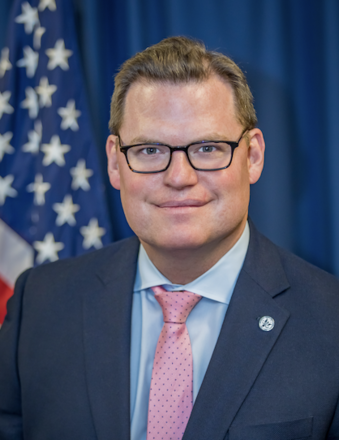
Kyle Hauptman
Proposed Rule, Part 712, Credit Union Service Organizations, would expand the powers of CUSOs to originate any kind of loan a federal credit union can make and provides the board additional flexibility in setting related policies.
Currently, CUSOs can only engage in four types of loans: Business, consumer mortgage, student loans and credit cards. The NCUA board has since 2008 been considering whether to expand the categories of permissible lending, according to agency staff.
The proposed rule would also allow CUSOs to sell and hold all types of loans permissible for FCUs, including participations. Moreover, the proposal is a response to the evolution in digital services, NCUA staff said.
The proposal further seeks comment on federal credit union investment authority in CUSOs and solicits comments on whether NCUA should reconsider its longstanding position in adopting separate definitions for the types of organizations an FCU may invest in or lend to.
A ‘Natural Evolution’
NCUA Chairman Rodney Hood noted the board has over the years examined permissible lending by credit unions, and believes it’s time to expand the loans (and investments to CUSOs making loans) that credit unions can make.
Hood said the expansion of CUSO lending authority is a “natural evolution” and will allow credit unions to “compete in the marketplace.”
Specifically, Hood said, in the area of indirect auto lending, which he called “critical” for credit unions.
“Some may say (the proposal) is not appropriate at this time and should wait until NCUA has vendor authority,” said Hood. “But I disagree with that, as credit unions need all the tools to serve their members.”
A ‘Wild West’ in Credit Unions
NCUA Board Member Todd Harper expressed concerns over the proposal, which he said will allow CUSOs to become “payday lenders” in addition to making indirect loans.
“I think everyone will agree these two financial products carry considerable risk,” said Harper, who also noted the agency lacks third-party vendor authority.
Harper said the proposal, if approved, “will dilute the common bond of the federal credit union. It will create a Wild West within the credit union space with little accountability for protecting consumers. In fact, making loans under this proposal will not have the same restrictions as federal credit unions.”
The result of that, suggested Harper, could be excess interest rates and violations of rules on prepayments that FCUs must follow.
“This creates field reputational risks for the entire credit union system,” he said. “Instead of passing this proposal, we should pass Get Out of Jail Free cards. This proposed rule will do nothing.”
Harper questioned why the board was even examining the proposal, saying it is not due to any COVID-19 pandemic-related reason, and that no economic analysis or business case for the expanded authority had been made. He further suggested it would not lead to lower prices or benefits for credit union members.
“My only question is rhetorical,” said Harper. “Why are we spending our time and our valuable staff time on another proposal that is not ready for prime time.”
Interested in Feedback
NCUA Vice Chairman Kyle Hauptman said he will be interested in seeing the feedback on the proposal, noting in part his support is due to how vehicles are being sold online.
“I am shopping for a car online right now and I’m not speaking to anyone on the phone. The sellers of cars are increasingly unwilling to slow down the transaction to deal with credit union transactions,” he said. “I do understand what Board Member Harper is saying, but it is unfounded to say a CUSO owned by credit unions will turn around and do things detrimental to that credit union. I am interested in hearing more feedback from folks who do this for a living.”
NACUSO Response
In response, Jack M. Antonini, president & CEO of NACUSO, issued a statement saying, "NACUSO would like to commend the NCUA Board on their proposed expansion of CUSO powers to allow CUSOs to assist credit unions with auto lending and personal loans. As the marketplace has evolved, the competition for these types of loans has increased, making it more difficult for credit unions to maintain their market share in these important core lending areas. Allowing credit unions to collaborate and utilize industry owned CUSOs to help them achieve scale, while sharing costs and risk, will enable credit unions to offer competitive solutions to their members.
"CUSOs have been used successfully by credit unions to offer credit cards, mortgages, member business loans and student loans. This regulation will extend the benefits of collaboration to the core lending areas of auto and personal lending.
"CUSOs act as intermediaries to source loans for credit unions, helping credit unions to serve their members conveniently and efficiently, in today’s interconnected online world. With new FinTech competitors capturing market share with new tech solutions, having the opportunity to collaboratively build competitive high-tech solutions to better serve their members, is a real competitive advantage for credit unions.
"NCUA already has CUSO oversight in place, through their CUSO Registry, CUSO Reviews and the ability to look at CUSOs through their credit union owners. This expansion of CUSO powers will have the same strong oversight that both the NCUA and state regulators have been utilizing in overseeing CUSOs over the past several years, ensuring safety and soundness remains a top priority."