

ALEXANDRIA, Va.–Federal credit unions that meet certain criteria can now purchase mortgage servicing assets (MSAs) following the elimination of a prohibition on such purchases by the NCUA board.
The board voted 3-0 for a final rule that permits federal credit unions to purchase MSAs from other federally insured credit unions, while saying it has also put in place “proper safeguards to mitigate the potential risks.”
The purchase of MSAs has been prohibited by NCUA since 1997. In December 2020, the agency published an Advance Notice of Proposed Rulemaking related to removing that prohibition. Agency staff said 11 comment letters were received, representing two natural-person CUs, eight leagues, and one individual. All but one of the commenters supported the removal of the prohibition on the purchase of MSAs, staff said.
Under the final rule, federal credit unions with a CAMELS composite rating of 1 or 2, including a management component rating of 1 or 2, may purchase the mortgage servicing rights of loans from other federally insured credit unions, provided that:
- The underlying mortgage loans of the assets are loans the federal credit union is otherwise empowered to grant
- The purchase will be made in accordance with the federal credit union’s written policies that address the risk found in these investments and servicing practices
- The federal credit union’s board of directors or investment committee approves the purchase in advance
Harper: Changes Lead to Changed Vote
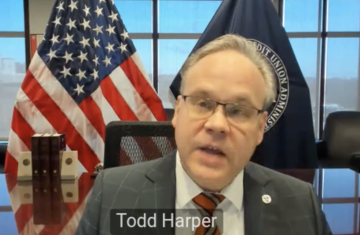
NCUA Board Chairman Todd Harper reminded he voted against the ANPR on mortgage servicing rights when it came before the board in 2020, stating at the time he was “not necessarily signaling my opposition to a potential final rule. Instead, if the final rule contained appropriate and substantive guardrails to mitigate the inherent risks found in mortgage servicing, I would support it.”
Harper said negotiations within the agency have led to those guardrails being put in place, which is why he now favors the rule, saying it provides an “appropriate balance.”
“There are many inherent risks associated with mortgage servicing, such as legal, interest-rate, compliance, operational, and liquidity risk, just to name a few,” said Harper. “Credit unions engaging in this business must clearly understand the risks involved and implement internal controls and other structures to manage and mitigate such risks.”
In response to a question from Harper, NCUA staff said there will be greater scrutiny and “more focus” on the purchases of mortgage servicing at those CUs that have done so.
Hauptman: Among the Benefits, New ‘Clarity’
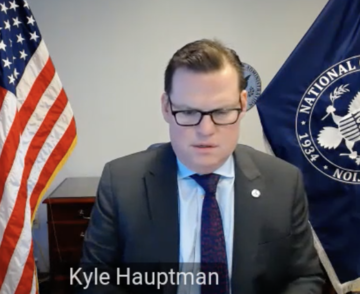
Noting mortgages now represent nearly a half-trillion dollars in CU loan portfolios, NCUA Vice Chairman Kyle Hauptman said, “Servicing mortgages is something credit unions have done for ages and is about a plain-vanilla product as exists today. While consumer benefit, the back office can be a challenge.”
Credit unions challenged by the back office demands will now be able to still benefit from the loans by making the purchases, while the new pool of buyers will benefit the sellers, as well.
The change, said Hauptman, will help keep the servicing assets within the credit union system.
“I am a firm believer in the importance of regulatory clarity. This final rule makes consistent the language among the regulations covering incidental powers and investments,” said Hauptman. “It also uses the same standard for federal credit unions when buying certain eligible obligation which further supports regulatory clarity. The final rule provides more choice, growth opportunities, and another avenue for cooperation for federally insured credit unions. I am pleased to support it.”

Hood: A ‘Win-Win’
Noting federal credit unions have come a long way since the NCUA created the prohibition on investing in mortgage servicing rights, NCUA Board Member Rodney Hood said credit unions now have the “sophistication” to purchase mortgage servicing rights, adding the new powers will provide flexibility for federal credit unions to manage their mortgage servicing lines of business and create liquidity in the credit union system, while also providing a more diverse business and investment opportunity for purchasers of mortgage servicing rights.
Hood noted that as of June 2021 FICUs collectively sold and serviced $270 billion of mortgage real estate loans with FCUs accounting for 53% of the total balance.
“I believe today’s rule does not increase the risk for the NCUSIF while also improving price transparency for MSAs. I view it as a win-win and enthusiastically support today’s rule,” said Hood.