

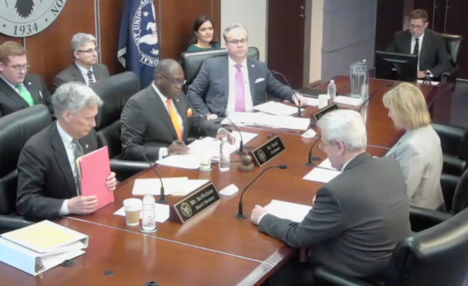
ALEXANDRIA, Va.–The NCUA has board has approved a final interagency policy statement related to the new Current Expected Credit Loss (CECL) accounting standard.
The agency has been working on the policy statement since 2018; credit unions do not need to comply with CECL until January of 20
The interagency policy statement describes regulatory expectations for an institution upon adoption of CECL and explains the responsibilities of management and the board of directors when determining allowances for credit losses (ACLs) under Generally Accepted Accounting Principles (GAAP). It would become effective at the time of each institution's adoption of CECL.
The approved final policy statement includes some differences from what was originally proposed and put out for comment. NCUA staff, noting 23 comment letters were received on the proposal, including 10 from individual CUs, said those comments and concerns have been addressed either in the preamble or in the body of the policy statement itself. Regulatory net worth concerns have been specifically addressed in the preamble, staff told the board.
The Changes Made
The changes the proposed rule would make include:
- Permitting a corporate credit union to make a minimal investment in a credit union service organization without that organization being classified as a corporate CUSO and subject to heightened NCUA oversight
- Expanding the categories of senior staff positions at member credit unions who would be eligible to serve on the corporate credit union’s board
- Amending the prescriptive experience and independence requirements for a corporate credit union’s enterprise risk management expert
- Clarifying the treatment of an investment in a subordinated debt instrument of a natural-person credit union.
CECL Website Is Coming
Agency staff told the board additional guidance will be issued as necessary. In addition, in response to a question from NCUA Chairman Rodney Hood, who said he has frequently heard from credit unions seeking specific education around complying with CECL, staff said a dedicated CECL page will be added to NCUA’s public-facing website, most likely by the end of the first quarter.
Hood, saying he recognizes there has been some “trepidation” from CUs around CECL, said the agency will continue to work to provide more “clarity.”
Board Member Todd Harper said he would have preferred to see the agency move forward in the second quarter with a day one mitigation rule related to the capital treatment on CECL. “I think credit unions would prefer to see sooner rather than later what our expectations are,” Harper said.
‘Very Important Phase’
Board Member J. Mark McWatters, who is a CPA, called “this phase of CECL very important.”
“What it does is take (ALLL) and requires a computation over the life of the loan as opposed to simply incurring losses,” said McWatters. “If you are a credit union looking to the future and you have already done projections on what your (estimate loss) number will be, and its effect on regulatory capital, you would just as soon have the knowledge that you can take a day one charge, but instead of taking a hit on day one, you can amortize over three years. Three years is better than a day one hit. It would help the CU community if they would know that day one hits can be amortized over three years.”
McWatters added it’s also important the CECL guidance get beyond the Big 4 firms to the “shopping center-based accountant” used by many credit unions. “It needs to trickle down all the way to the local CPAs,” McWatters said.
NASCUS Response
“We look forward to reviewing the finalized Interagency Guidance on Credit Risk Review Systems and are encouraged that NCUA appreciated the comments submitted and took steps to address credit union concerns," said NASCUS President and CEO Lucy Ito. “We also could not agree more regarding the need for more Current Expected Credit Losses education and training resources. As such, NASCUS and state regulators continue to provide joint examiner-credit union CECL training courses as we have for the past several years.”