

WASHINGTON—Both NAFCU and CUNA shared concerns about changes to credit reporting rules ahead of a House Financial Services subcommittee hearing on consumer credit reporting.
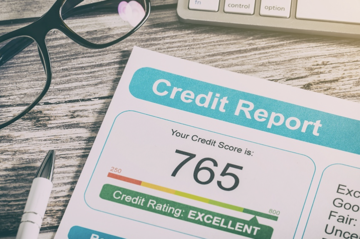
In its letter to the subcommittee, NAFCU's Brad Thaler highlighted the importance of accurate credit reporting – for consumers and financial institutions – but cautioned lawmakers on making changes in an attempt to provide relief amid the coronavirus pandemic that could have "unintended consequences."
"For example, some have proposed requiring furnishers of information, such as credit unions, to review and consider new or additional information each time a consumer disputes the accuracy of information in their credit report," wrote Thaler, NAFCU's vice president of legislative affairs. "We have some concerns that this could result in predatory credit repair companies continually disputing accurate information, at great cost to financial institutions and consumers. Such continuous dispute opportunities could lead to situations where accurate 'negative' information ends up being excluded from credit scores due to ongoing disputes.
‘Less Bandwidth’
"This will also leave less bandwidth for real disputes to be investigated," he added.
Thaler also flagged concerns that expanding private rights of action "could have a chilling effect on credit unions and other financial institutions that could see a rise in frivolous lawsuits that will take resources away from serving consumers."
To bolster credit reporting efforts, Thaler offered NAFCU's support for using alternative credit score models to ensure creditworthy borrowers – who the trade group said have previously been marginalized for lack of traditional credit history and other issues – have access to affordable credit.
He also called for holding credit reporting agencies accountable for data security requirements under the Gramm-Leach-Bliley Act (GLBA) and recommended they be subject to CFPB or Federal Trade Commission (FTC) examination.
CUNA Response
Meanwhile, restrictions on the reporting or consideration of certain debt prevents lenders from seeing borrowers’ complete debt circumstances and clouds lenders’ ability to fairly assess borrowers’ creditworthiness, wrote CUNA in its letter.
“We strongly believe that an accurate credit reporting system benefits borrowers and lenders alike. Lenders rely on an accurate and complete record of a borrower’s credit situation to make underwriting decisions,” the letter reads. “Attempts to remove or modify certain types of debt from the credit reporting system will do long-term damage to lending and the ability of borrowers to get the loans they need to buy a home, start a small business, or achieve a higher education.”
Other Concerns
CUNA noted it previously outlined concerns with a debt collection bill that would prohibit credit scoring models from treating certain medical debt information as a negative factor on a credit report. CUNA said its latest letter also reiterates concerns about the precedent removing medical debt could create.
“An incomplete view of borrowers’ credit history reduces lender confidence in credit reports and scores, impacting pricing decisions and credit availability,” the letter reads. “The borrowers most impacted by the consequences of inaccurate credit reports will be low- and moderate-income borrowers whose financial well-being could benefit the most from access to affordable credit from a credit union.”