

LAS VEGAS–The interest in partnering with fintechs and investing in fintechs, especially to drive new sources of lending, was evident from the beginning of the NACUSO Network Conference here, but credit unions were cautioned to proceed carefully by several legal experts.
While acknowledging all the opportunities fintech partnerships may offer, attorneys with the firm Messick Lauer Smith—which has a long history of working with CUSOs–said there are issues around which credit unions and their service organizations must tread carefully.
“One area I do want to focus on in particular, due to the growing popularity of fintechs, is indirect lending relationship,” said Mike Heller in remarks to an opening session of the NACUSO meeting. “In indirect lending, NCUA came to same conclusion for both loan participations and eligible obligations. For loan participations, the buying credit union can only enter into a loan participation agreement with an institution that’s considered the originating lender. It can be a credit union that makes the final (loan) decision.”
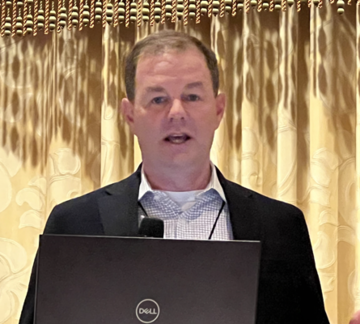
Brian Lauer
Weekly Calls
Attorney Brian Lauer urged the NACUSO audience to pay particular attention to the issue.
“This is really hot,” he said. “We are getting these calls on a near weekly basis. Fintech can be great source of loans. It offers a very sexy front end. Then the question is, ‘Can the credit union actually buy those loans?’ If it’s an eligible obligation, they can only buy (up to the 5% cap). Also, if they were to buy them as eligible obligations, they can’t participate them, which is another thing credit unions really want to do to spread the risk. That is huge. They have to sit on the books. If they can structure the deal like an indirect loan, the credit union is considered the originator of that loan, so they are not subject to the 5% cap, meaning they can buy more and, as an originator, they can participate those loans out to other credit unions.”
In a loan participation rule, there must always be a credit union member in the deal, Lauer continued.
“The fintech has to be a member. The fintech often has that or is working with a primary credit union that has that as part of their process,” said Lauer. “The fintech wants to scale and it’s all about volume. They are not holding the loans or making interest on those loans. They are making money on originating those loans and they want volume. If you tell them there’s a cap, that’s a big deal to them.”