Perc Pineda, CUNA
WASHINGTON—Credit union lending and membership growth remained strong in June, CUNA reported.
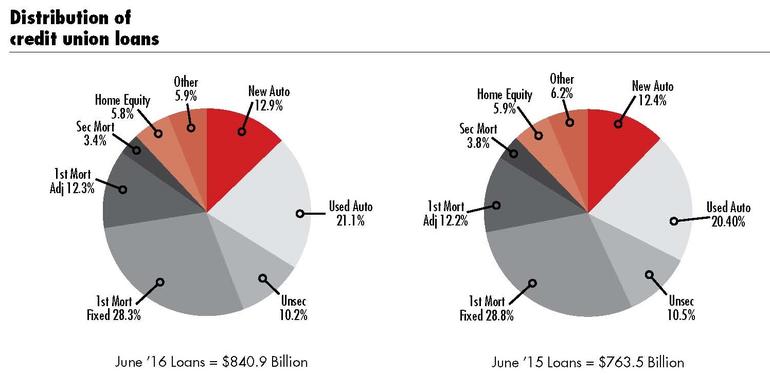
According to CUNA’s monthly credit union estimates, CU loans outstanding grew 1.1% in June, buoyed by a strong auto lending market, the trade association stated.
Credit unions memberships rose 0.4% in June, the same rate as May. Total credit union membership now stands at 107.2 million. New auto loans led loan growth, rising 1.8%, followed by unsecured personal loans (1.6%) and used-auto loans (1.5%). Fixed-rate mortgages rose 1.2%, credit card balances increased 0.8%, while home equity loans were up 0.7%. Adjustable-rate mortgages nudged up 0.1%, CUNA reported.
“We are passed the seasonality of usually weaker auto sales in the first quarter relative to the other quarters in a year,” said CUNA Senior Economist Perc Pineda.
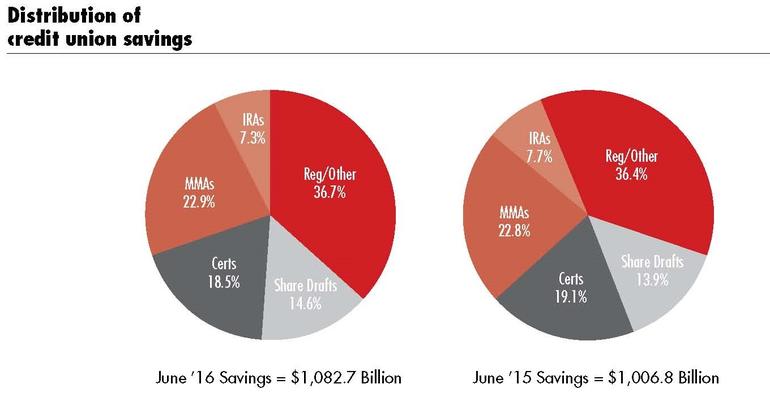
Credit union savings balances increased 0.6% in June, compared with a 0.5% decline in May. Share drafts led savings growth, surging 0.8%, followed by money market accounts, one-year certificates, and regular shares (all rising 0.5%), and individual retirement accounts (0.2%).
“Year to date, both savings and loan growth have increased 4.5%,” said Pineda. Assets, year to date, are up 3.7%, and asset quality at credit remains healthy.”
The loan-to-savings ratio increased to 77.7% in June from 77.3% in May. The liquidity ratio—the ratio of surplus funds maturing in less than one year to borrowings plus other liabilities—decreased to 15.5% in June from 16.3% in May, CUNA said.
“Regarding the overall economy, personal income has been increasing for the past four months to 0.2% in June,” Pineda said. “And the increase in credit card loans is also consistent with personal consumption expenditures that went up 4.2% in the second quarter. In fact, durable goods consumption, which is mostly financed by credit, rose 8.4% in the second quarter.”
Business investment spending has been falling for the past three quarters—down 9.7% in the second quarter, Pineda noted. “What our economy could use is optimism from the business sector in the form of higher investment spending to keep the economy growing above its current growth level,” he said.