

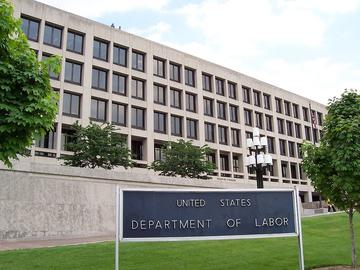
WASHINGTON—The Labor Department has asked the U.S. District Court for the Eastern District of Texas to deny a request for emergency injunction in a case challenging the department’s new overtime rule, which takes effect Dec. 1, NAFCU reported.
“If this emergency injunction is denied, the rule is still effective but the underlying lawsuit will continue,” NAFCU explained.
The Labor Department was responding to a suit filed by Michigan and 20 other states that claims that the overtime rule will increase costs and force the cut of essential government services.
In addition, the U.S. Chamber of Commerce and other chamber and trade groups filed a motion for expedited summary judgment requesting oral argument. This suit, which was recently consolidated with the states’ claims, asserts that the rule will force businesses to demote or lay off workers due to higher labor costs, NAFCU reported.
The Department of Labor’s rule raises from $23,660 to $47,476 the salary threshold at which employees are eligible for overtime pay under the Fair Labor Standards Act. While NAFCU has stated it believes all American workers should be granted access to fair pay, the association has raised concerns that the rule fails to adequately consider geographic salary differences or provide exemptions for non-salary-based employee advancement opportunities, such as travel time for conferences or training opportunities.
Congress has also taken up legislation that would delay the overtime rule. In September, the House voted 246-177 to delay the rule’s implementation by six months. An identical bill was introduced in the Senate. President Barack Obama has promised to veto the legislation.
“More action by Congress on this rule is possible during the upcoming lame-duck session,” added NAFCU.