

BOSTON—Might a lending opportunity be developing in home solar systems?
A new analysis has found that moving forward more consumers will be opting to purchase home solar systems rather than lease them, which has been the traditional models. To date, most solar installers only offered consumers the ability to lease the solar roof panels for a monthly fee, typically after signing a 20-year lease.
The trend would seem to indicate that leasing is only growing, with solar leases and similar contracts accounting for 72% of home-solar sales in 2014, up from 42% in 2011, according to GTM Research, the research arm of energy news outlet Greentech Media. But the company is projecting that share will decline to 57% by 2017, because more people are now able to buy the panels, which generally saves consumers money.
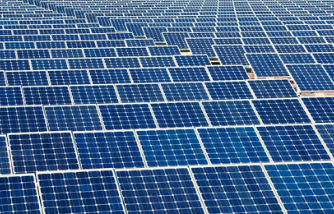
According to GTM Research, the U.S. residential solar market has grown for 15 out of the last 16 quarters.
Already manufacturers of solar systems are offering loans themselves. SolarCity, which is one of the largest residential solar power companies, replaced its financing program MyPower with a new solar loan program in June 2016. Sunrun, another large residential solar power company that was built around the lease model also introduced loan options for homeowners in September last year, according to MarketWatch. “While the lease segment continues to be more popular among its customers, the company expects the share of loans to increase,” MarketWatch reported.
“The solar loan market has exploded,” the GTM Research report suggests. “Every solar financing company that used to earlier offer leases has introduced or is planning to introduce a loan, and an entirely separate group of pure-play loan providers has formed.”
MarketWatch reported that more traditional lenders, companies such as Sungage Financial in Boston and Oakland, Calif.-based Mosaic, are also seeing rapid growth in customer demand for loans to buy solar powered equipment. “
Meanwhile, Fannie Mae last week introduced its own “HomeStyle Energy Program,” which allows homeowners to borrow an additional 15% to finance their solar or other energy-efficiency systems.
There is downside risk for lenders, however, in that solar panel prices continue to decline.