

WASHINGTON–The Federal Trade Commission reported it has taken action against credit services company Credit Karma for “deploying dark patterns” to misrepresent that consumers were “pre-approved” for credit card offers.
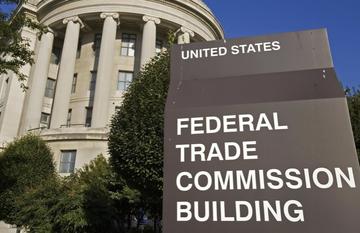
The FTC is alleging that the company used claims that consumers were “pre-approved” and had “90% odds” to entice them to apply for offers that, in many instances, they ultimately did not qualify for. The agency’s order requires the company to pay $3 million that will be sent to consumers who wasted time applying for these credit cards and to stop making these types of deceptive claims.
“Credit Karma’s false claims of ‘pre-approval’ cost consumers time and subjected them to unnecessary credit checks,” said Samuel Levine, director of the FTC’s Bureau of Consumer Protection. “The FTC will continue its crackdown on digital dark patterns that harm consumers and pollute online commerce.”
2,500 Data Points
According to the FTC, to use Credit Karma’s services, consumers must provide the company with a variety of personal information, allowing Credit Karma to amass over 2,500 data points on each consumer, including credit and income information. Credit Karma uses that information to send targeted advertisements and recommendations for financial products, like credit cards.
The FTC’s proposed complaint alleges that, from February 2018 to April 2021, Credit Karma falsely told many consumers that they had been “pre-approved” for credit offers, leading consumers to apply, incur a hard inquiry on their credit reports, and, if they are denied, potentially damage their credit scores unnecessarily.
False ‘Certainty’
According to the FTC’s complaint, Credit Karma knew that its purported “pre-approvals” conveyed false “certainty” to consumers, based on the results of experiments, also known as A/B testing, showing that consumers were more likely to click on offers saying “preapproved” than those saying they had “excellent” odds of being approved.
“When user interfaces are designed, including with the aid of A/B testing, to trick consumers into taking actions in a company’s interest and that lead to consumer harm, such design tricks have been described as ‘dark patterns’,” the FTC said.
The FTC noted it hosted a public workshop on dark patterns in 2021.
The Allegations
According to the FTC’s complaint, Credit Karma violated Section 5 of the Federal Trade Commission Act by falsely representing that consumers were pre-approved for credit offers or had 90% odds of approval.
The complaint alleges that Credit Karma’s conduct harmed consumers by:
- Deceiving them about whether they were approved. According to the FTC, despite Credit Karma’s claims that consumers were ‘pre-approved,’ for many offers, almost a third of consumers who applied were in fact denied. Credit Karma often only revealed the possibility of denial in buried disclaimers or false claims that consumers had “90% odds” of approval. “Credit Karma was aware that its consumers were misled: for example, its own customer service training materials cited, ‘I was declined for a pre-approved credit card offer .... How is that possible?!?!?!’ as a common issue representatives would encounter.”
- Costing consumers time and harming their credit score: The complaint alleges that, in response to Credit Karma’s false claims, numerous consumers wasted significant time applying for credit card offers. Additionally, when consumers applied for these offers, third party financial companies made a “hard inquiry” on their credit reports, which in many instances lowered consumers’ credit scores and harmed their ability to secure other financial products in the future.
Enforcement Action
The FTC’s proposed order against Credit Karma requires the company to:
- Stop deceiving consumers: The FTC’s order prohibits Credit Karma from deceiving consumers about whether they are approved or pre-approved for a credit offer, as well as about the odds or likelihood that a consumer will be approved for a credit offer.
- Pay $3 million in consumer redress: The order requires Credit Karma to pay $3 million to the FTC, which will be sent to consumers who were harmed by the company’s actions.
- Preserve records: To help prevent further use of deceptive dark patterns, the order requires Credit Karma to preserve records of any market, behavioral, or psychological research, or user, customer, or usability testing, including any A/B or multivariate testing, copy testing, surveys, focus groups, interviews, clickstream analysis, eye or mouse tracking studies, heat maps, or session replays or recordings.