

WASHINGTON —The CFPB was the subject of its first hearing under a Republican-controlled House and, as expected, the Bureau was criticized for everything from its funding to its rulemaking to its approach to so-called “junk-fees.”
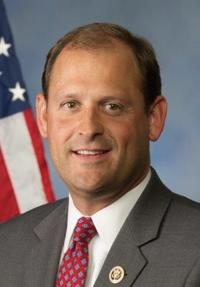
Andy Barr
The hearing was held at the same time the subcommittee of the House Financial Services Committee is considering nearly 10 legislative proposals to that seek to make various changes to the CFPB.
Republicans and other critics have accused the Bureau of overreach, insufficient rulemaking, and as being unaccountable. Separately, the CFPB’s funding structure is also the subject of a case before the Supreme Court to be heard later this year.
“The agency is led by a single, partisan director, Rohit Chopra, who has routinely acted unilaterally and arbitrarily, often outside any statutory mandate, without engaging rulemaking in compliance with the Administrative Procedures Act, and even sometimes without adjudication,” Rep. Andy Barr (R-KY), chair of the Subcommittee on Financial Institutions and Monetary Policy, said in opening remarks. “This has led to the CFPB becoming the most unchecked, unaccountable agency in the whole federal government.”
Both CUNA and NAFCU have expressed support for a bipartisan commission to lead the Bureau rather than a single director.
Other GOP members of the committee criticized the CFPB and the Biden Administration’s effort to eliminate “junk fees.”
As CUToday.info reported here, the CFPB released a list last week of the types of fees it is seeking to eliminate on mortgage, auto loans, student loans and more.
Subcommittee member Rep. Blaine Luetkemeyer (R-MO) said Chopra has used junk fees as an excuse to expand his authority.
‘Doesn’t Mean It’s Real’
“So, the fact that we now call them junk fees doesn’t mean it’s real,” Luetkemeyer said after witness Jessica L. Thompson, an attorney at the conservative-leaning Pacific Legal Foundation, agreed that the term does not exist as in the financial lexicon, according to MSNBC. “Because there is no such word out there. There is no authority. So, I think we as a group need to be pushing back,” he said.
William Himpler, CEO of the American Financial Services Association, said the murky definition for junk fees leaves financial institutions “with no road map as to how to follow that.”
Devin Watkins, an attorney at the conservative-leaning Competitive Enterprise said the CFPB’s working definition of junk fees is “any fee they don’t like. When the definition under how they’re acting is so broad like that, it raises real non-delegation concerns that could undermine their authority to enact any of these,” Watkins said.
In Defense of CFPB
One witness did come to the defense of the CFPB to combat excessing surcharges, according to the report. Keith Ellison, Minnesota’s Democratic attorney general and a former member of the House Financial Services Committee, defended the agency’s oversight of predatory lending services and fraudulent actors and said the CFPB can regulate hidden surcharges consumers do not know about.
“Maybe certain firms don’t know what junk fees are but consumers know,” said Ellison, who served in Congress when the agency was created. “[Companies] don’t disclose [the fees]. They didn’t tell you about it. They didn’t know you had a reason to anticipate it. It’s a fee that they tack on because they have the market power to impose that fee. It is absolutely appropriate for the CFPB to regulate this. I can tell you, attorneys general, both Democrat and Republican, do it every day. And it is part of the way that we create confidence, faith and create the ability for consumers to have a shot at prosperity.”
Proposed Legislation
Among the proposed legislation currently before the subcommittee are bill that would:
- Address oversight of existing guidance, rules and regulations
- Change the CFPB’s funding source to ensure Congress has to approve it
- Establish of an Office of Inspector General for the CFPB; and a requirement for the agency to monetarily reward whistleblowers.
As CUToday.info also reported earlier, Rep. Bill Posey (R-FL) has called for a cost-benefit analysis to better understand the costs of implementation and compliance with the benefits of a regulation by the CFPB, while Rep. Alex Mooney (R-WV) earlier this month reintroduced the Transparency in Consumer Financial Protection Bureau (CFPB) Cost-Benefit Analysis Act to ensure the Bureau is held to the same standard as other agencies when reviewing its proposed rules.
It’s Called Fresh for a Reason. And We Offer Home Delivery. For Free!
The biggest, best and freshest news reporting in credit unions remains free in ’23! Each morning CUToday.info delivers its daily Fresh Today news update offering the latest headlines and breaking news right to your email, with the easy-to-read headlines format allowing you to click on the stories that interest you most in order to learn more.
If you haven’t yet signed up for the new email solution on which CUToday.info has partnered with ResponseGenius, you can do so here. Signing up requires less than one minute of your time—and it’s free!
Please note that after signing up you may need to go to your Spam/Junk folder and mark the morning headlines email as safe. CUToday.info does not provide its list of readers and emails to outside parties, and we will not be contacting you to sell you an extended warranty or sending you any links so you may cash in on an inheritance you didn’t know was coming.
And did we mention it’s free?
Please note and/or make your IT department or email administrator aware the emails will be coming from the domains CUTodayinfo.com and CUTodayinfoReply.com