

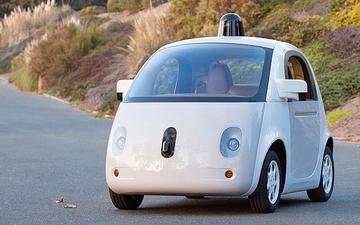
LONDON–A new report is forecasting that electric cars will make transportation so inexpensive that by 2030 95% of the passenger miles traveled in the U.S. could take place in on-demand, autonomous electric vehicles owned by fleets rather than in individually owned cars.
If true, the transformation will have significant implications for credit union lending.
While the U.S. Energy Information Administration has issued a much more conservative forecast for the transition to electric vehicles, the new Rethinking Transportation Report says those who see incremental transition to electric vehicles are wrong. It’s part of a larger trend, according to the report, toward Transportation as a Service (Taas).
“This is not an energy transition,” James Arbib, a London-based venture investor who co-authored the report serial entrepreneur and author Tony Seba, told Fast Company. “This is a technology disruption. And technology disruptions happen in S-curves. They happen much more quickly.”
Fast Company reported that Arbib and Seba saw that policymakers and others tend to make decisions without understanding how exponential change happens, and founded a new nonprofit, Rethinx, to study those disruptions. The transportation report is their first.
The report predicts that autonomous cars could be ready for widespread deployment–and have regulatory approval–by 2021, and most certainly by 2025, based on announcements from car companies and how quickly self-driving pilots are growing. They also believe that regulators will want to support the technology.
Within 10 years–after the technology is ready and regulators have approved it–even though individually owned gas cars will still exist, the report predicts that virtually all trips will happen in electric robo-taxis.
According to the report, the shift will happen because of economics: using “transportation as a service” in autonomous electric cars could be four to 10 times cheaper per mile than buying a new car, and two-to-four times cheaper than operating your own, old car. Ride hailing in a car shared with other passengers–like UberPool today, but without a human driver–could cost as little as three cents a mile.
For the full story, go here: https://www.fastcompany.com/40424452/it-could-be-10-times-cheaper-to-take-electric-robo-taxis-than-to-own-a-car-by-2030?utm_content=bufferf10de&utm_medium=social&utm_source=twitter.com&utm_campaign=buffer