

WASHINGTON–Household financial health is declining after several years of increased savings, including decreased ability to repay debts, according to a new report from the Consumer Financial Protection Bureau.
In releasing its new “Making Ends Meet” report, which measures the financial health of American households, the CFPB noted that since 2019 the consumer surveys had shown improvement in financial health during the first few years of the COVID-19 pandemic, due in part to a tight labor market, reductions in consumer spending, and access to pandemic-related relief programs.
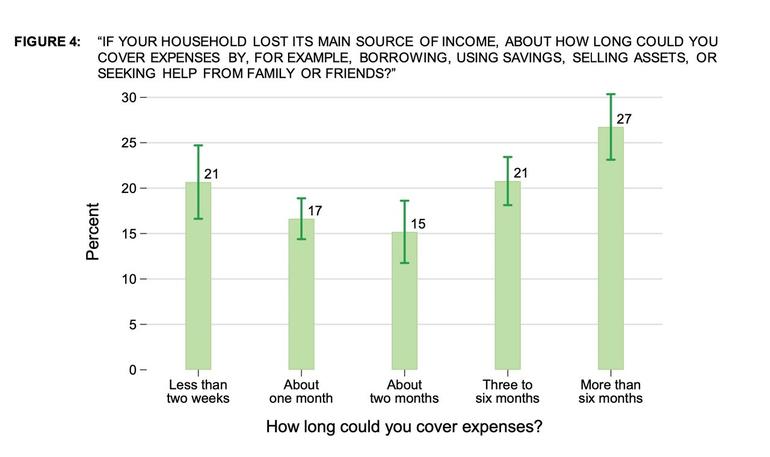
“However, data from early 2022 revealed a decline in several key measures, as well as a rapid deterioration in financial health for Hispanic consumers, consumers under the age of 40, and low-income renters,” the CFPB stated. “In addition, while unemployment remains low, more than 37% of households were unable to cover expenses for longer than one month if they lost their main source of income.”
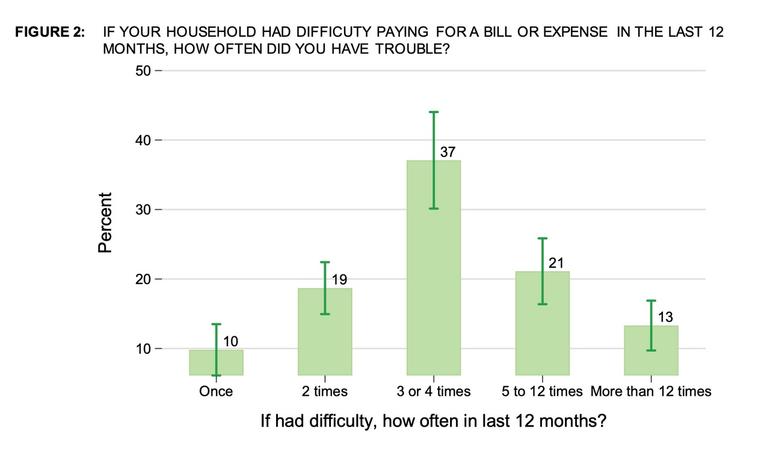
According to the Bureau, the 2022 survey was mailed to a sample of consumers in January, with responses collected between January and March. The measures of consumer financial health analyzed in the report include whether households had difficulty paying bills and expenses in the previous year and how long households could cover expenses if the main source of income was lost.
‘Not Prepared for Disruption’
Many consumers are not financially prepared for a disruption to their main source of income, even as unemployment remains low, according to the report’s findings.
“Nearly 37% of households report that they could not cover expenses for longer than one month, even with accessing savings, borrowing money, selling assets, or seeking help from family and friends,” the CFPB.
In addition, the report also found that in 2022 one-in-eight households also experienced lost income from unemployment or reduction in work hours, and roughly one-third of households experienced a major unexpected expense, including vehicle repair, unexpected medical expense, or a household repair.
The report further probes how consumers also faced frequent income uncertainties, as income variability increased sharply from 2021 to 2022, the CFPB said.
“The increase was particularly large for Hispanic consumers and consumers under age 40,” according to the analysis. “Also, while racial and ethnic groups applied for credit at similar rates, Black and Hispanic consumers were more likely to be turned down or not receive as much credit as they requested. Black and Hispanic consumers were also much less likely to apply for credit in the first place because they believed they would be turned down.”
Other Findings
Other findings in the report include:
- Among renters, 31% missed at least one rental payment in the previous year and approximately 8% were not current on their rent as of February 2022. Yet only 6% of renters had received rent payment or flexibility since the pandemic began.
- Nearly 18% of student loan borrowers have annual incomes under $125,000 and loan balances under $10,000. Under the Department of Education's proposal for student debt relief, currently on hold due to pending litigation, borrowers with federal student loans who meet these criteria would have their entire student debt balance forgiven.
Read the report, Making Ends Meet in 2022.