

WASHINGTON–While the record level of student debt today has been widely reported, a new analysis has found the majority of student loan payoffs occur early and coincide with large payments and balance reductions on other student loans and revolving credit products.
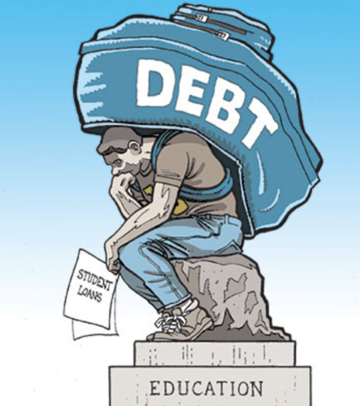
The analysis from Bureau of Consumer Financial Protection’s Office of Research (OFR) further suggests there is an interconnectedness that can be seen in borrowers’ finances, as repayment of one type of debt affects payments and borrowing on other types of debt.
According to the OFR study, the typical student loan has a term of 10 years and features equal monthly scheduled payments. Borrowers have the option of paying borrowings off early, and typically do so with a single large payment when they can (but that finding can include a refinancing of the loan with another lender).
“The timing of this payment coincides with a broader reduction in existing debts and is followed by increases in home purchases,” according to a statement from Bureau Economist Thomas Conkling. “However, for those borrowers who are unable to, or choose not to, pay off their loans early, the reduction of other debts that follows their final payment suggests that their required monthly student loan payments constrained their ability to pay down these other debts.”
As CUToday.info has reported, Conkling confirmed student loans make up an increasing share of the debt held by borrowers, particularly for younger borrowers.
Other Findings
Among the other findings in the OFR report, which focuses on those who are successfully repaying loans:
- Most borrowers paying off a student loan do so before the final payment is due, often with a single large final payment. The median final payment made on a student loan is 55 times larger than the scheduled payment (implying a payoff at least 55 months ahead of schedule), with 94% of final payments exceeding the scheduled payment and only 6% of loans paid off with the final few payments equal to the scheduled payments.
- Borrowers paying off a student loan early also reduce their credit card balances and make large payments on their other student loans at the same time. In addition, these borrowers are 31% more likely to take out their first mortgage loan in the year following the payoff than in the year preceding the payoff, the BCFP’s OFR said. “While this is evidence of a link between the timing of student loan payoffs and home purchases, the simultaneous reduction in credit card and other student loan balances suggests that increased wealth or income may influence when borrowers pay off student loans, reduce credit card balances, and purchase homes,” according to the report.
- The smaller share of borrowers who pay off their loan according to the scheduled payments pay down, rather than take on, other debts in the months following payoff. “Paying off a loan reduces borrowers’ monthly payment obligations, and those with additional student loans put 24% of these savings toward paying down those other student loans faster,” the BCFP said.