

NEW YORK–The former CEO of Citigroup has outlined how he believes a digital currency would ultimately lead to a more efficient, effective and inclusive financial system in the United States—but one problem is “holding the country back.”
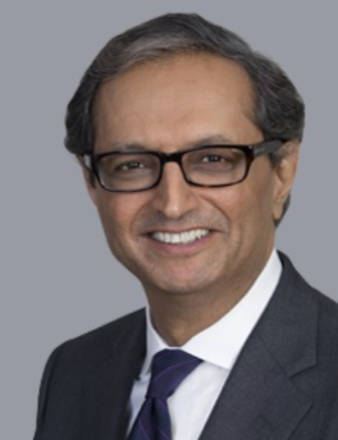
Vakram Pandi
It’s a shortcoming he said is on full display during the coronavirus pandemic.
Writing in the New York Times, Vikram Pandi, who is now chairman and CEO of Orogen Group, said the pandemic has made it “clear that there is just one bank that matters, the Federal Reserve, and one insurer, the U.S. government. Their quick actions to fight the economic fallout should be lauded. While well intentioned, these moves have been anything but precise.”
The overarching issue, wrote Pandit, is outdated technology has made it hard to ensure relief money is getting to the right people and the right places.
“But this isn’t simply a failure of technology. For the government to fulfill its role, it needs new infrastructure to act as an effective, efficient underwriter,” he wrote. “other countries consider digital financial infrastructure a public good that’s indispensable for economic policy. They understand that such a utility is too important to be outsourced to banks and a few other institutions.”
Regulators and governments in other countries have played a central role in designing new architectures for the industry, “working hand in glove” with the private sector.
Transition in ‘One Fell Swoop’
“From India to Kenya to Singapore, governments are exploring financial services architecture that works for everyone, including biometric identifiers for individuals; digital wallets linked to banking and payments systems; permissioned links to private and public databases and documents with e-signing privileges; and business portals that include utilities for know-your-customer and anti-money-laundering compliance,” he wrote. “Some countries have promoted financial inclusion by giving every citizen a digitized bank account. And some see the combination of digital wallets and central bank-issued digital currencies — C.B.D.C.s — as the way to transition to a 21st-century financial system in one fell swoop.”
What is holding the United States back? According to Pandit, it’s been an absence of government leadership.
“When one of the economic stimulus plans was being drafted, there was a proposal to deliver relief payments via digital wallets — a great idea that could not be executed because we lack the necessary plumbing,” Pandit said. “To function seamlessly and serve everyone, the government must be responsible for the design and building of a foundation that includes the entire stack: digital identity, data and information linkages, wallets, digital access and inclusion.”
Pandit called on the government to pursue CBDC and for the Fed to embrace the concept, saying a “digital currency could pave the way for an infrastructure that services everyone.”