

WASHINGTON— Ahead of a hearing on the legislation this week, NAFCU is making two recommendations related to a bill on DEI and financial services.
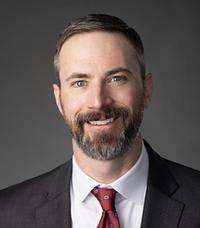
Greg Mesack
In a letter on the Financial Services Racial Equity, Inclusion, and Economic Justice Act, NAFCU offered several pieces of input on the Act, which currently includes the Expanding Financial Access for Underserved Communities Act, which allows all types of federal credit unions to add underserved areas to their field of membership.
The bill adds "banking deserts," areas identifies as not being within 10 miles of a branch of a financial institution, to the definition of an underserved area. However, an amendment was filed for the Rules markup by Representative Andy Barr (R-KY) that would strike that provision from the bill, according to the trade group.
Two Recommendations
In the letter, NAFCU Senior Vice President of Government Affairs Greg Mesack recommends two actions for the Committee:
- That the Committee support an amendment filed by Rep. Ritchie Torres (D-NY) that would “expand the definition of Community Financial Institutions (CFIs) in the Federal Home Loan Bank (FHLB) Act to credit unions and Treasury-certified non-depository community development financial institutions.” NAFCU said such status would enable credit unions to pledge small business, small agriculture, and community development loans, not just housing loans as collateral with the FHLBs.
- That the Committee to oppose any amendment that would strike the Expanding Access for Underserved Communities Act from the package. Mesack sought to refute the criticism received from the banking industry on excluding this bill in the package.
‘Height of Cynicism’
“The Expanding Access for Underserved Communities Act would make more credit unions eligible to offer basic banking services to areas that are underserved or banking deserts,” wrote Mesack. He also pushed back on banker opposition to the provision, noting that “It is the height of cynicism that the banking trade associations … are essentially saying that even though their members have left these communities, they do not want credit unions to step in to fill the void as banks pull out. It seems that they would rather underserved communities have no financial institutions than have a credit union serve them.”