

ARLINGTON, Va.–Credit unions, the financial services industry in general, merchants, consumer groups and more will be paying attention to two separate congressional hearings focused on card swipe fees and overdraft fees, respectively.
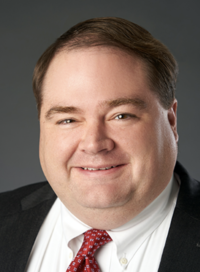
Brad Thaler
“Obviously, those are two issues that are very important to credit unions,” said NAFCU VP-Legislative Affairs Brad Thaler. “We have been heavily involved in those hearings in terms of sharing the credit union perspective with the communities ahead of the hearing. And will be following those hearings in an attempt to clarify anything that needs to be clarified.”
The Senate Banking Committee will hold a hearing titled “Examining Overdraft Fees and Their Effects on Working Families.” The issue has drawn particular attention in recent months, with most major banks—and a number of credit unions—announcing elimination of or reductions in their overdraft fees.
Appearing as witnesses before the committee will be Aaron Klein, senior fellow in Economic Studies, Brookings Institution; Jason Wilk, founder and CEO of the fintech Dave, David Pommerehn, SVP/general counsel with the Consumer Bankers Association.
Also on May 4 the Senate Committee on the Judiciary has scheduled a hearing titled, “Excessive Swipe Fees and Barriers to Competition in the Credit and Debit Card Systems.”
The committee is chaired by Sen. Richard Durbin (D-IL), for whom the long-debated Durbin amendment is named. The issue has divided two powerful lobbies, merchants/retailers, and financial institutions.
The Expectation
What does NAFCU expect to occur?
“Obviously, the interchange hearing will be chaired by Sen. Durbin. His position on interchange is well known and I don’t think he will be changing his mind,” said Thaler. “Given who is on the witness panel, representatives of the merchants and the networks, it looks like the focus will be on driving down the costs to merchants. That’s (Durbin’s) direction. We are working to educate members on how interchange is a two-sided market and that prices caps explicitly and implicitly hurt credit unions and community financial institutions.”
Thaler said he expects the Senate overdraft hearing will mirror the discussions held during a similar House hearing in March by looking at the effects of fees on consumers.
‘Headline Discussion,’ But…
“There have been market changes that have been happening nationally with overdrafts and courtesy pay, and I think at the House hearing we heard thoughts from members that the changes are already and there is not a need for legislation,” said Thaler. “Some have debated if the Senate should tackle legislation, but, frankly, I don’t think they have the votes. There has been a lot of headline discussion, but legislatively I don’t see a path forward.”
Also in Washington
Also in Washington this week, where the House is out of session, Jason Stverak, CUNA’s deputy chief advocacy officer for federal affairs, said the trade group continues to advocate for the SAFE Act, which would remove federal prohibitions around serving cannabis businesses, be included in the America COMPETES Act.
The SAFE Act was included in the House version of the bill but was absent in its Senate companion. A conference committee is hammering out differences, which is where CUNA is focused.
On Thursday, the Senate Committee on Banking, Housing and Urban Affairs will hold a hearing on Examining Student Loan Servicers and Their Impact on Workers, which Stverak said CUNA will also be watching.