

ARLINGTON, Va.--NAFCU and a group of more than 100 other associations is calling on Congress to reject a proposed IRS reporting requirement that continues to make its way through Congress despite strong opposition.
As CUToday.info reported here, Speaker of the House Nancy Pelosi (D-CA) has said the IRS reporting provision will be included in the reconciliation bill currently before Congress.
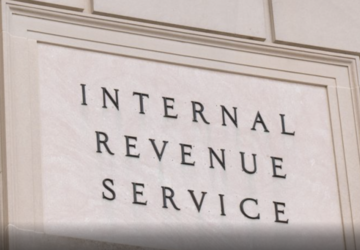
In its letter NAFCU, along with the other organizations representing a wide range of industries, voiced objections against the proposal, writing that while the intention is to help the IRS identity those committing tax fraud, “the unintended consequence is the overly broad proposal will directly impact almost every American and small business with an account at a financial institution.”
Both NAFCU and CUNA have specifically cited the regulatory burden presented by the proposal, specifically for smaller credit unions.
NAFCU said the group's main concerns surrounding the proposal were:
- Operational and reputational challenges it would have for financial institutions
- Increased tax preparation costs for individuals and small businesses
- Financial privacy concerns for consumers
The program “is costly for all parties, not fit for purpose, and loaded with the potential for unintended and serious negative consequences,” the group’s letter states.
For its part, NAFCU issued a statement saying it remains steadfast in urging Congress to reject the provision since its inclusion in the Administration’s budget proposal.
Pushback On SBA Proposal
Separately, NAFCU President and CEO Dan Berger also sent a letter to Small Business Administrator (SBA) Isabella Casillas Guzman concerning another provision in the Build Back Better Act (BBBA) that would grant the SBA direct lending authority.
In the letter, Berger said that that while the SBA has had the authority to make direct loans, it has not exercised this power since 1998, and re-launching this authority could have several consequences.
In addition, Berger said private-public lending partnerships such as the PPP have been successful because the SBA has worked closely with community financial institutions like credit unions.
NAFCU noted Berger used the letter to seek clarity around the direct lending proposal, specifically seeking responses for the following questions:
- Why did the SBA cease the direct lending program in 1998? Does the SBA anticipate the cost of providing direct loans to be less than the costs before the program ceased in 1998?
- Does the SBA have any data demonstrating that community financial institutions are unable or unwilling to provide loans under $150,000, necessitating a direct lending program?
- Will the SBA have enough staff and resources to implement an effective and efficient direct loan program given the level of appropriations in the BBB Act?
- What internal controls will be in place to mitigate the risk of fraud?