

WASHINGTON—Is that fintech a friend or foe? Often it comes down to a lunch-related question, according to one person.

Brian Laurer, a partner with the law firm of Messick Lauer & Smith P.C., told a GAC panel session on credit unions and fintechs that many years ago when auto dealers began offering consumers loans for the cars they bought from the showrooms, credit unions feared for what might happen to their bread and butter.
“So many credit unions today are offering indirect lending,” noted Laurer. “About 25 years ago, though, many credit unions thought dealers would eat their lunch, that they would kill their auto lending business.”
What happened, explained Laurer, is credit unions eventually saw an opportunity.
“They started building relationships with dealers so they could continue to provide their members with auto loans,” he explained. “Now there is hardly a single credit union in the country that does not do indirect lending.”
Friend or Foe?
Laurer added that partnering with fintechs can solve a lot of credit unions’ service delivery needs today, noting that, “Friend or foe, it is a mistake to make an enemy of these companies. If a fintech is eating your lunch, it is probably because you are not doing a good enough job working in today’s environment.”
That environment, that fintech landscape, is changing rapidly, stated those on the GAC panel, adding that knowing just who the fintech is in the competitive picture is critical to a credit union’s future.
“There are three categories of fintechs,” said Chris Otey, chief revenue officer at CU 2.0 and the chairman of the board at South Bay Credit Union in California. “There are the ones that are out to eat your lunch. There are the ones that want to sell you lunch. And there are the ones that want to have lunch with you.”
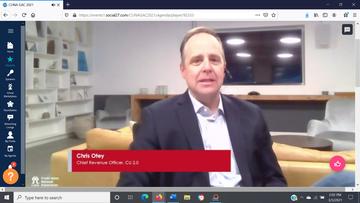
Otey said a prime example of a fintech who wants to each the lunch of credit unions is SoFi.
“There is no doubt they want to crush you,” he said.
Deserving Consideration
But those that want to sell to the credit union often have worthwhile solutions that deserve consideration.
“A good example of these fintechs are those offering chatbots,” said Otey.
The fintech that wants to have lunch with the CU has figured out they need financial institutions to be the back-end for the services they market on the front-end to consumers.
“They want a partnership,” Otey explained. “If you can figure out which type of fintech you are dealing with, you can make better decisions.”
Laurer emphasized the image of a fintech being a friend or foe has evolved over time, moving away from five to six years ago when most credit unions looked at fintechs only as an enemy.
That perception evolved not only as FIs saw advantages in working with the upstarts that could rapidly develop smart, quick and efficient product delivery methods, but also from lessons the fintechs learned.
Changed Perception
“In the beginning I believe many fintechs saw banks and credit unions as the old guard,” said Laurer. “But that perception has changed over time. The fintechs figured out that working by themselves in the financial services space, with all of the regulation, was too difficult. Many of the fintechs realized banks and credit unions could become good back-end partners for what they offer to consumers on the front end.”
Laurer cited RenoFi as a good example of a fintech that understand the benefits of partnering with financial institutions.
Lance Noggle, senior director of advocacy and counsel at CUNA, said the trade association is fighting to make sure that fintechs play on the same playing field as credit unions and banks.
“Some of those fintechs now are coming in and trying to leverage a national bank charter, and in doing so are threading the needle of regulation,” he said.
Level Playing Field
Noggle pointed out a national bank charter would help a fintech avoid all the various state lending laws. A limited bank charter, in which the fintech would not accept deposits or offer deposit insurance, would also present some advantages.
What Noggle said CUNA is fighting for is a level playing field.
“We have been working alongside the banking trade groups because they are concerned too,” said Noggle. “You have these fintech banks that don’t have to follow the same requirements as financial institutions. And when you have less regulation it allows you to offer products at lower prices. And consumers are price shopping.”