

WASHINGTON–Eight senior leaders from across multiple functions within credit unions shared updates on how the pandemic has changed their operations, and in many cases, improved service to members, while acknowledging cultural challenges with both members and employees remain.
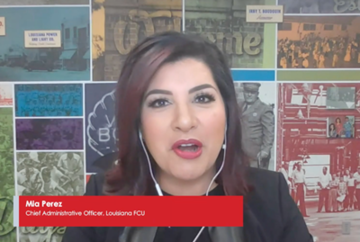
Sharing ideas during a CUNA GAC panel discussion on how COVID-19 has changed credit unions and how it will change things going forward were:
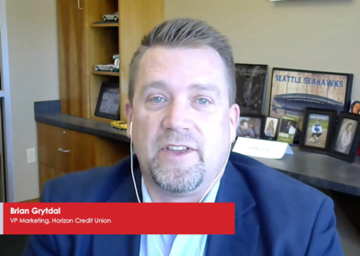
- Brian Grytdal, VP-marketing with Horizon CU
- Buddy Bennett, COO with Cyprus FCU
- Greg Inman, COO with Neighbors FCU
- Jim Phillips, CIO with SchoolsFirst CU
- Leigh Brady, EVP-organizational development with SECU
- Mia Perez, chief administrative officer with Louisiana FCU
- Susan Gruber, EVP/CFO with Patelco CU
- Ray Lindley, COO with Elevations CU
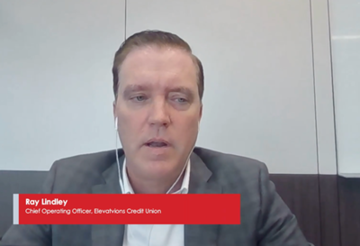
Inman and Perez acted as co-host moderators of the discussion. All of the members of the panel represented the various CUNA Councils.
Here’s a look at what was discussed and exchanged:
Q: How has your credit union changed or evolved as a result of the pandemic? And what will be some of those permanent changes moving forward?
Grytdal: We’re not unlike other credit unions out there. We were looking at having remote workers in the future and then COVID hit and we had to look at it very fast. We are working to keep that going in the future and are working on remote worker policies to make that more permanent. It’s been a good thing for us. We have had some great employees who have done great at home. We are looking to maximize our space when we do shift back to the office
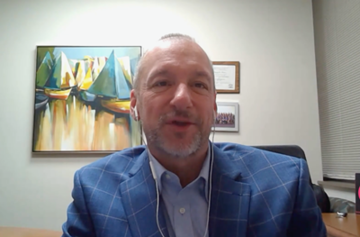
Greg Inman
Gruber: We were fortunate to have moved into a new headquarters in December of 2019. Everyone was given a laptop and we were moving into an environment that was very collaborative. So we had some advantages in going remote. We were able to do so in a few days. But as we look to the future we are really wondering how our work environment will be. We are thinking at this point we will remain in a hybrid method, sometimes with people in the office, sometimes at home. But we don’t see returning to work five days a week. We also never closed our branches, and that helped us as well.
Brady: We have 286 branches, but whether you have 286 or six branches, you have clearly changed. We had probably about 300-400 working from home; now we have 2,500 working from home. So, how do you protect those in a physical branch as much as you can. We went to a 50/50 workforce. The thought was if you split your staff, should someone contract COVID, you wouldn’t lose all the staff in one swell swoop. That has been the biggest thing we have had to change.
And then there’s the mindset of how do we serve, how do we protect at the same time? Now, with the vaccine and people coming back, what do you have to do? When we as a credit union started bringing folks back we still had folks working from home. If you can work from home, you work from home. For the branch, it’s been about self-monitoring checklists where staff is required to check the boxes on things to attest to you are not sick.
Now, with vaccine, how do we get people to get the shot, and we have to worry about getting that message out about the efficacy and the safety. From our standpoint we are encouraging but not requiring people to get the vaccine. If you require, you are still going to have some exceptions and you will have to track that. So, we have chosen to really encourage our employees and provide the information. Will we be forever changed on this? Probably.
Bennett: We are letting the CDC and local governments help us to understand the best time to return. We have gone to a hybrid workforce. We have people in the office, but also working from home and it has given us a lot of agility. For us, the biggest thing is to refine how we work together in a hybrid model and using the technology tools we have to help with the brainstorming meetings and strategy meetings.
Q: As we talk about the major challenges, it sounds like some positive consequences have been experienced. Can you speak to that a little more?
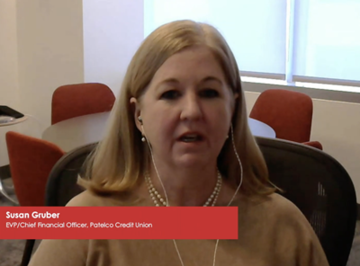
Gruber: We are very proud of our team and the ability and agility to shift immediately to our governor shutting down California. We didn’t have much time. Our team embraced the challenge, embraced that we were all learning Zoom, and we became more adaptive as an organization. Looking more holistically, one of our biggest concerns is the big divide between the haves and have-nots that has accelerated during this pandemic. We are very concerned about that for our communities.
Lindley: I agree--that gap is a big concern for our industry. We’re about helping those who need help most. Figuring out how to do that is going to be a challenge for the next few years.
On the positive side, this industry is known for being collaborative and having that collaboration has really helped. We can call on others and share ideas and practices. And for those of us that have been focused on investing in technology it has helped us to respond quicker. There are some things we need to work on, but that’s what this industry is about.
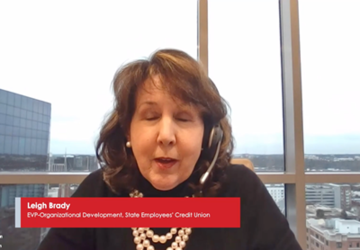
Phillips: How quickly we have been able to pivot has been a positive, as has our adoption of using collaboration tools. The team has really been adapting in a lot of areas. A lot of our teams in branches who wear masks put their pictures on the masks so people can see them. Video delivery of services and the sorts of things we didn’t think we’d be able to do quickly, we have done quickly. And our members have really adopted all of our digital channels. So we really need to look at closing gaps in all of our channels to make sure members can complete transactions.
Brady: From the member standpoint our members want convenience and touchless type services. We have seen, and this is across the board at all credit unions, more of a digital focus where our members are willing to try things they haven’t tried before. Because of the demand for touchless and self-serve and digital, that has caused folks to ramp up the services. I think this is forever changing consumers.
From an employee standpoint I think certainly work from home has been a big change for a lot of organizations, and it’s about figuring out what to do moving forward. Do you hotel? Do you bring folks back all at the same time? How do you continue to maintain your culture?
Q: What about positive consequences in lending?
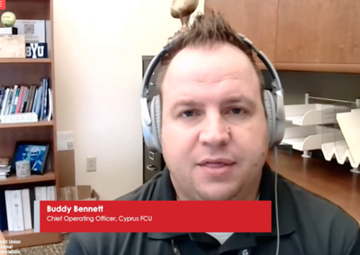
Lindley: With record low rates we’ve seen lots of members taking advantage. At the beginning of the pandemic we were all worried about auto lending and credit card lending. We were surprised; it hasn’t suffered as much as we thought. We were able to work with payment deferrals and it helped a lot. It also showed a lot of loyalty to the credit union. It’s important to them. That sense of belonging pays off on the credit side, as well.
Q: It seems like culture has been the one topic that we as credit unions, because we are so family oriented, have been concerned about. How has your workforce placement changed? How do you foresee this impacting a CU’s culture long term?
Lindley: As this has drawn out longer we have learned people have adapted to new ways of working and doing things. What was new and novel is now standard. As we look to the future, what is our workforce going to want? Culture is not as easy to do via Zoom. The Zoom boom became Zoom gloom. Zoom happy hours aren’t the same as getting together. The biggest worry is how do we create that culture we once had. I wish I could say we have figured it out; we haven’t. I have no doubt when we figure it out the industry will be more than happy to share how to do it moving forward as we will have people working remote.
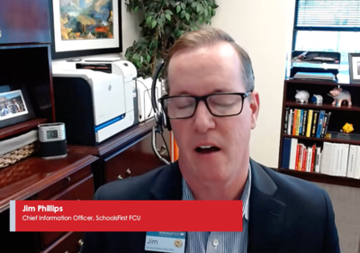
Grytdal: I agree with Ray. From an external standpoint we have to look at this whole paradigm shift. It’s been about being very intentional in keeping the conversation going with them. It’s about the intentionality of being where they are going. We’re trying to be where our members are most so they still look to us as a great resource for what they are going through.
Bennett: As we look to how we keep the culture we have and improve it, I think this experience has made us better. We are having to prepare ahead of time to meet with members and being ready before they come into a branch, and when they call into a call center. It’s made the experience more personalized for our members.