

NEW YORK—The once uncomfortable—even adversarial—relationship between fintechs and credit unions is over, a new study confirms.
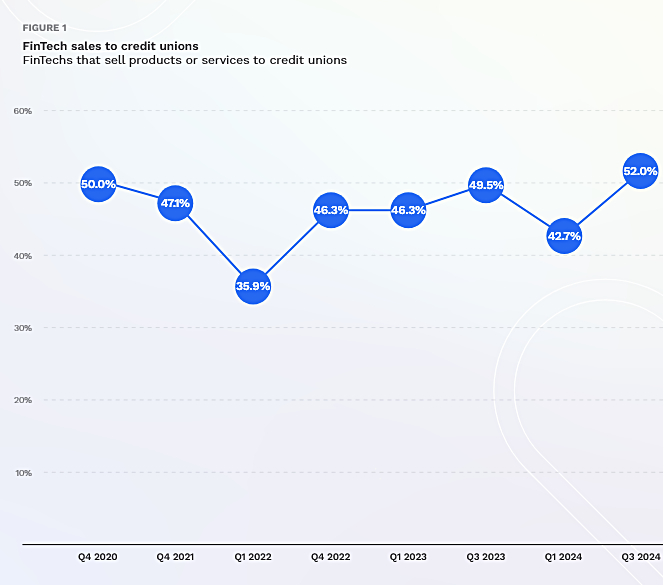
The joint report from PYMNTS and Velera shows that while the share of fintechs selling consumer-facing and back-end digital banking technologies to CUs has remained stable for the past four years, recent PYMNTS Intelligence data reveal stark recent shifts in engagement, competitive perceptions and the ease of collaboration, PYMNTS said.
“Currently, more than half of all fintechs actively serve the CU sector. Nearly all of them maintain a vendor-client relationship, highlighting the growing value proposition that CUs represent for the fintech market. The once-ubiquitous atmosphere of competition between the two industries has receded significantly, paving the way for partnerships that can provide CU members with the digital-first technologies they increasingly expect,” PYMNTS said.
The report, “Navigating the Evolving Landscape: FinTech and Credit Union Partnerships,” examines how fintechs are innovating to meet the financial needs of consumers at CUs.
The report is based on a survey of 100 executives at fintechs that provide services to CUs, commercial banks, community banks and individual consumers, conducted between Oct. 24, 2024, and Nov. 19, 2024.
“Fintechs increasingly see CUs as customers and not competitors,” PYMNTS said. “In fact, they are collaborating with CUs to provide the products and services that today’s digital-first members expect.”
The study explains the perceived challenges associated with fintechs offering their solutions to credit unions appear to be diminishing, with four in 10 fintechs currently partnering with credit unions to offer products and services, including those enabling easier mobile and contactless payments.
“Still, one obstacle deterring fintechs is a lack of efficiency and scalability when engaging with credit unions,” PYMNTS noted. “One in five fintechs that do not sell their services or technologies to credit unions would re-consider that stance if they could onboard multiple credit unions at once. These evolving dynamics paint a picture of a maturing relationship, one where mutual understanding and streamlined processes are beginning to take hold.”