

WASHINGTON—Two executive orders signed by President Donald Trump are setting up what some fraud and compliance experts see as a regulatory contradiction for financial institutions: tougher Know Your Customer and due diligence expectations for banks at the same time fintech and crypto firms could gain easier access to the financial system with fewer barriers, according to BankInfoSecurity.
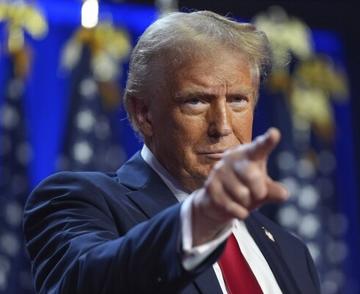
The first order, titled “Restoring Integrity to America’s Financial System,” directs the Treasury Department within 60 days to advise banks on red flags tied to “non-work authorized populations and their employers.” The order also calls for proposed changes to Bank Secrecy Act rules, customer identification requirements and enhanced due diligence thresholds, with Treasury given 90 days to recommend updates to customer verification and customer identification program rules, BankInfoSecurity explained.
Industry observers told BankInfoSecurity the practical effect will likely be increased KYC scrutiny and additional onboarding friction for customers, even as the order’s focus appears aimed more at undocumented or unauthorized workers than at broader fraud activity.
A second executive order, “Integrating Financial Technology Innovation into Regulatory Frameworks,” takes a different approach by directing federal regulators to review and remove what the administration described as “overly burdensome and fragmented regulations” that may hinder fintech innovation. The order also instructs the Federal Reserve to evaluate within 120 days whether fintech and crypto firms should be granted direct access to the Fed’s payment network without relying on traditional bank intermediaries.
Fraud and compliance professionals interviewed by BankInfoSecurity warned the combined effect of the two orders could create an uneven regulatory environment in which banks face heavier compliance expectations while non-bank competitors gain greater access with potentially lighter oversight. One concern raised was that fraud risks often migrate toward areas with weaker supervision, particularly as faster payments and real-time transaction systems continue to expand.
The report noted that many of today’s most pressing fraud threats—including authorized push payment scams, synthetic identities, deepfake-enabled account takeovers and increasingly sophisticated mule networks—were largely absent from the executive orders. Critics argued the measures stop short of directly addressing modern fraud typologies that increasingly evade traditional AML and KYC frameworks.
“I did not really see anything about real fraud containment,” one fraud practitioner told BankInfoSecurity. “Dealing with APP fraud and scams is more important than fintech competition.”