

WASHINGTON–Fed Chairman Jay Powell made clear during two days of testimony before separate congressional committees that the Fed will not be raising rates any time in the near future, even as he predicted an economic rebound later in 2021.
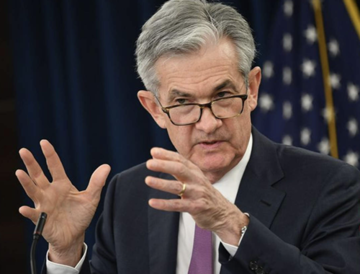
Jerome Powell
Powell testified before the Senate Tuesday and the House on Wednesday as part of the Fed’s biannual report to Congress.
“The economic recovery remains uneven and far from complete, and the path ahead is highly uncertain,” Powell said. “Although there has been much progress in the labor market since the spring, millions of Americans remain out of work.”
While some economists have started to suggest higher inflation could lie ahead, Powell downplayed the concerns, saying inflation dynamics generally do not “change on a dime” and if unwanted price pressures arise, the Fed has the tools to push back on them.
“The economy is a long way from our employment and inflation goals, and it is likely to take some time for substantial further progress to be achieved,” Powell said.
Separately, Powell also indicated the central bank sees a role for a digital dollar in the future, calling it a “very high priority.”
NAFCU Response
"Chairman Powell has been consistent and clear since the pandemic began," said Curt Long, NAFCU's chief economist and vice president of research, after the hearing. "The Fed will neither raise rates nor taper asset purchases for the foreseeable future."
Nominations Update
- Separately, the Senate Banking Committee has also announced it will hold a nomination hearing next week that will feature CFPB director nominee Rohit Chopra.
- The Senate Finance Committee heard from Adewale Adeyemo who's nominated to serve as Treasury deputy secretary. During the hearing, senators discussed implementing recent Bank Secrecy Act (BSA)/anti-money laundering (AML) changes made by the fiscal year 2021 National Defense Authorization Act. Adeyemo indicated the plan is to have them implemented by June.
Senators also asked about funding for Community Development Financial Institutions (CDFI) and Minority Depository Institutions (MDIs), which Adeyemo indicated is a priority to support underserved communities, as well as efforts to provide financial institutions with more guidance for serving marijuana-related businesses, NAFCU noted.