

WASHINGTON–As was widely expected, the Fed has raised its benchmark interest rate by 75 basis points to a range of 3% to 3.25%.
The Fed continues to push rates up as it seeks to help lower inflation. The move marks the third consecutive 75 basis point increase by the Fed, and brings the fed funds rate to its highest point since 2008.
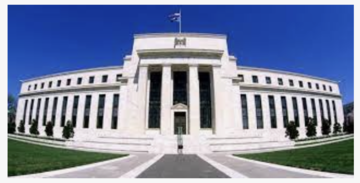
“Recent indicators point to modest growth in spending and production. Job gains have been robust in recent months, and the unemployment rate has remained low. Inflation remains elevated, reflecting supply and demand imbalances related to the pandemic, higher food and energy prices, and broader price pressures,” the Federal Reserve’s Open Market Committee said in a statement as it adjourned its two-day meeting today. “Russia's war against Ukraine is causing tremendous human and economic hardship. The war and related events are creating additional upward pressure on inflation and are weighing on global economic activity. The Committee is highly attentive to inflation risks.
The FOMC said it continues to seek to achieve maximum employment and inflation at the rate of 2% over the longer run.
In addition, the FOMC said it will continue reducing its holdings of Treasury securities and agency debt and agency mortgage-backed securities, as described in the Plans for Reducing the Size of the Federal Reserve's Balance Sheet that were issued in May.
NAFCU: 'Breathtaking Rise'
"The FOMC voted unanimously for a third consecutive 75-basis point increase to the target federal funds rate," said NAFCU Chief Economist and Vice President of Research Curt Long. "This outcome was widely expected, but that does not detract from the breathtaking rise over the from under 1% in early June to over over 3% just three months later. With the move, Chairman (Jay) Powell indicated that rates are now potentially in restrictive territory. That adds to the impression that the FOMC is not done raising rates by a long shot. Adding to that speculation, the Committee's updated projections have the fed funds rate rising by another 125 basis points to 4.4% by the end of 2022 and to 4.6% at the end of 2023.
"Beginning in 2024, projections vary widely, with the median member expecting 75 basis points of rate cuts that year and 100 basis points the next. The unemployment rate is expected to top out at 4.4% in 2023 and remain there the following year before declining somewhat in 2025," Long continued. "That outcome would either avoid a recession or constitute a very mild one, but the risks are all weighted to the downside. For it to be realized, the Fed would need to properly identify the turning point at which it can safely ease its foot off the brake and to do so with the proper weight. Credit unions should prepare for a mild recession in 2023, at minimum."
CUNA: 'Putting on the Brakes'
“Members of the Federal Open Market Committee (FOMC) upped their year-end interest rate projection from 3.4% in June to 4.4%," said CUNA Economist Dawit Kebede. "This indicates that the Federal Reserve is putting the brakes on the economy faster than expected to bring inflation down to its 2% target. The FOMC median forecast for interest rates remains at or above 4% through 2024.
“High interest rates restrict consumption and investment activity by raising the cost of borrowing funds. This slows the economy and increases the likelihood of a recession considering that the GDP has slipped the last two quarters.
“The move will also increase the unemployment rate from its current low level. The intent is to create some slack in the labor market. Currently, labor demand is stronger than supply, leading to faster wage growth that is adding more Inflationary pressure.”
The VoteVoting for the monetary policy action were Jerome H. Powell, Chair; John C. Williams, Vice Chair; Michael S. Barr; Michelle W. Bowman; Lael Brainard; James Bullard; Susan M. Collins; Lisa D. Cook; Esther L. George; Philip N. Jefferson; Loretta J. Mester; and Christopher J. Waller.