

WASHINGTON–As expected, the Federal Reserve’s Federal Open Market Committee has opted to boost rates another 75 basis points, as inflation remains stubbornly high. It is the fourth consecutive 75 basis point increase made by the Fed after a long period of near 0% rates. But two credit union economists also noted the Fed is signaling it will slow its pace of rate increases.
The target range for the federal funds rate is now 3.75% to 4%.
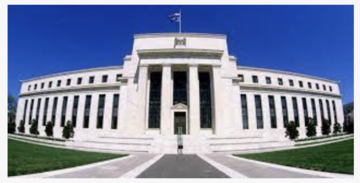
“Recent indicators point to modest growth in spending and production. Job gains have been robust in recent months, and the unemployment rate has remained low. Inflation remains elevated, reflecting supply and demand imbalances related to the pandemic, higher food and energy prices, and broader price pressures,” the Fed said in a statement. “Russia's war against Ukraine is causing tremendous human and economic hardship. The war and related events are creating additional upward pressure on inflation and are weighing on global economic activity. The Committee is highly attentive to inflation risks.”
As also expected, the Fed said it “anticipates that ongoing increases in the target range will be appropriate in order to attain a stance of monetary policy that is sufficiently restrictive to return inflation to 2% over time.”
The rate of inflation has been nearly four times that 2% target this year.
Reduced Holdings
In addition, the Committee said it will continue reducing its holdings of Treasury securities and agency debt and agency mortgage-backed securities, as described in the Plans for Reducing the Size of the Federal Reserve's Balance Sheet that were issued in May.
Voting for the monetary policy action were Jerome H. Powell, Chair; John C. Williams, Vice Chair; Michael S. Barr; Michelle W. Bowman; Lael Brainard; James Bullard; Susan M. Collins; Lisa D. Cook; Esther L. George; Philip N. Jefferson; Loretta J. Mester; and Christopher J. Waller.
NAFCU Response
"The FOMC raised rates by the expected 75 basis points this month and hinted that more hikes are in store. But in recognizing the scope of policy tightening thus far and the lags through which they operate, the committee is foreshadowing a slower tightening pace. The text provides plenty of wiggle room, but barring a hot CPI figure next week, market expectations are likely to coalesce around a 50-basis point hike in December.”
-NAFCU Chief Economist and Vice President of Research Curt Long
CUNA Response
“The Federal Reserve raised the benchmark interest rate by 75 basis points for a fourth consecutive time, increasing the target range to 3.75 - 4 percent. The Federal Open Market Committee's (FOMC) press release reiterated its commitment to bring inflation down to 2 percent. However, it stated that future rate increases will consider the lag with which monetary policy affects economic activity and inflation.
“This may signal smaller rate increases in future meetings. The FOMC raised rates faster and higher from close to zero levels in March. The tight monetary policy has increased the cost of borrowing for households and businesses. The impact caused noticeable declines in residential investment and housing markets. It is expected to bring further slowdown in economic activity in other sectors.
“Currently, inflation is still high. The labor market remains tight but there are indications that increased employment cost has moderated. This is a step in the right direction for the Fed because it reduces wage pressures on inflation.”
--CUNA Economist Dawit Kebede
TransUnion Response
"Today’s rate hike announcement of 75 basis points, the fourth consecutive rate hike of that size, shows that the Federal Reserve remains committed to raising rates until excess inflation abates. From a consumer credit perspective, the most significant impact of these rate hikes on borrowers will continue to be in the mortgage market, and increasingly, during the holiday shopping season, in the credit card industry.
"In the mortgage market, consumers who may otherwise be considering buying a home may choose to continue to hold onto their down payments, waiting to see if interest rates and/or home prices decline in the not-too-distant future. For those consumers who do purchase a home, adjustable-rate mortgages may continue to be more popular among consumers seeking lower monthly payments in the short term. And consumers looking to tap into available home equity may continue to look towards HELOCs and HELOANs instead of refi’s. Finally, on the credit card front, this latest interest rate hike will most acutely impact those consumers who do not pay off their credit card balances in full through higher minimum monthly payments.
"As we enter the holiday shopping season, it’s essential for consumers to set a budget and stick to it, as the price increases for all range of goods over the past year may make it easier for shoppers to overspend. While shopping for gifts, it’s a good idea for consumers to remain diligent when using credit. It’s important to understand that as interest rates rise, so can minimum credit card payments. Therefore, when making purchases using credit this holiday season, consumers should carefully consider what they will confidently be able to afford to pay off and avoid delinquency.
–Michele Raneri, vice president of U.S. research and consulting at TransUnion