

WASHINGTON–Fannie Mae and Freddie Mac are dropping a fee on mortgage refinances that was instituted during the coronavirus pandemic, which will lower the cost for borrowing, according to the Federal Housing Finance Agency (FHFA).
CUNA expressed support for the decision to eliminate the "Adverse Market Refinance Fee," while separately announcing opposition to a new bill it said would reduce credit from reputable lenders.
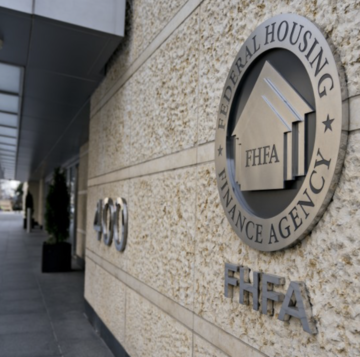
Fannie and Freddie have been charging lenders a 50 basis-point fee for all loans that were delivered to the two giant secondary market players. When it was introduced, to much opposition, the FHFA said the fee was designed to cover losses projected as a result of the pandemic.
But those losses have for the most part not materialized. At the peak of the economic shutdown, roughly 5% of Fannie and Freddie borrowers were in mortgage forbearance programs. As of July 13, that share had fallen to 2.1%, according to Black Knight data cited by CNBC.
In total, 1.86 million borrowers remain in COVID-related forbearance plans, making up 3.5% of all active mortgages. For FHA/VA, the share is 6.2% and for private label and bank portfolio loans the share is 4.0%.
"The COVID-19 pandemic financially exacerbated America's affordable housing crisis. Eliminating the Adverse Market Refinance Fee will help families take advantage of the low-rate environment to save more money," acting Federal Housing Finance Agency Director Sandra Thompson said in a statement. "Today's action furthers FHFA's priority of supporting affordable housing while simultaneously protecting the safety and soundness of the Enterprises."
Greg McBride, chief financial analyst for Bankrate.com, said in a statement the fee typically resulted in an increase of one-eighth percentage point in rate, which added $20 per month to payments on a $300,000 loan."
CUNA Response
“CUNA has strongly opposed the adverse market fee since it was announced, and we appreciate Acting Director Thompson for listening to our concerns and rescinding the fee,” said CUNA President/CEO Jim Nussle. “This is an appropriate action given the strength of the current housing market, and the lower the cost of refinancing for credit union members.”
CUNA Opposition
Separately, CUNA said it opposes a new bill that would cap fees and interest for all consumer loans at a 36% “all-in” annual percentage rate (APR).
The cap would apply to all open-end and closed-end consumer credit transactions, including payday loans, car title loans, overdraft loans, credit cards, car loans, mortgages, and refund anticipation loans. The 36% APR is the same limit currently in place under the Military Lending Act.
“Credit unions have seen firsthand the financial harm caused by high cost loans, which is why CUNA and leagues have supported efforts to end ‘rent-a-bank’ loopholes, called on the CFPB to focus its Payday Rule on high-interest lenders, and have encouraged the effective enforcement of state and federal law,” Nussle said. “However, the establishment of a national all-in rate cap applicable to all creditors is an unproven one-size-fits-all policy, the consequences of which will likely include reduced access to credit from reputable lenders.”
Senate Banking Chair Sees ‘Next Step’
Sen. Sherrod Brown (D-OH), who chairs the Senate Banking Committee, has long made a priority of legislation that would set a national cap on how much lenders can charge in interest. Earlier, after successfully repealing the so called “true-lender” rule, Brown told Reuters, "The next step is going to be putting a national cap on interest rates. This is a continued fight."
The rate cap bill is expected to be opposed by Senate Republicans.