

WASHNGTON—In its first case under the Impersonation Rule, the Federal Trade Commission is reporting it has stopped a student loan debt relief scheme that “bilked” more than $20.3 million from consumers seeking debt relief by pretending to be affiliated with the Department of Education.
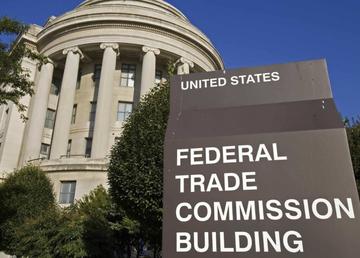
According to the FTC, a federal court temporarily halted the scheme and froze its assets at its request as it seeks to end the defendants’ alleged deceptive practices. The FTC charged that the company also falsely claimed it would take over consumers’ student loans to get them loan forgiveness that did not exist.
The Complaint
According to the FTC’s complaint, since at least June 2021, California-based Panda Benefit Services (also doing business as Prosperity Benefit Services), Clarity Support Services, Pacific Quest Services, Prosperity Loan Services, Public Processing Services, Quick Start Services, Select Student Services, Signature Processing Services, and its operators Christopher Hanson, Eduardo Martinez, Emiliano Salinas, and Melissa Salinas, “preyed” on consumers burdened with student loan debt and tricked them into paying hundreds to thousands of dollars in illegal junk fees towards loan forgiveness that did not exist.
The FTC alleged that Prosperity Benefit Services, its affiliated companies, and operators falsely claimed that consumers who paid for their program were guaranteed to receive loan forgiveness and that the program would significantly reduce their loan payments. The operators also falsely claimed to take over the servicing of consumers’ student loans and told consumers that they were affiliated with the Department of Education, the FTC further alleged.
‘FINAL NOTICE’
The complaint alleges that in many instances, the operators would send mailers with urgent language like “FINAL NOTICE” and “Time Sensitive,” and boasted benefits like “complete loan forgiveness” and “tax free loan forgiveness” to entice consumers to call them and speak to a telemarketer.
“When consumers called the number on the mailers, they would speak with telemarketers who then convinced them that if they signed up for the debt relief program, they would be eligible for loan forgiveness after only a few months or years, a substantially shorter time than what is available under federal government repayment programs,” the FTC said.
Consumers Complain
The FTC added that many consumers have reported that after signing up and making payments, they never received loan forgiveness and that the scheme’s operators never applied for loan forgiveness on their behalf.
“In addition, the operators of the scheme falsely claimed that they would take over consumers’ loans and claimed that they buy their loans from consumers’ federal servicers,” the FTC stated. “By falsely claiming they worked with or were affiliated with the Department of Education, the scheme’s operators were able to obtain consumers’ bank account or debit card information, and typically collect hundreds of dollars in illegal upfront fees from consumers.
‘Contrary to Promises’
“Contrary to their promises, in many instances the operators did not obtain loan forgiveness or lower payments for consumers, and because borrowers of federal student loans were not required to make payments on their loans between March 2020 and October 2023 due to the federal COVID-19 payment pause, many consumers have often gone months or years before finding out that their student loan payments were not lowered and that their loans had not been forgiven,” the FTC added.