

WASHINGTON–Even though home prices and values have been steadily increasing, a new Federal Reserve report has found there is little evidence of declining credit standards for loans or highly leveraged investment activity in the housing market.
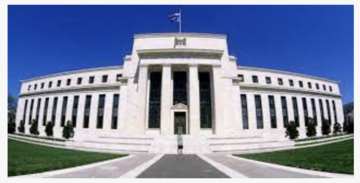
The Fed’s Financial Stability Report did find, however, that asset prices – including those for residential real estate – remain “vulnerable to significant declines” should “investor risk sentiment deteriorate, progress on containing the virus disappoint, or the economic recovery from the financial impact of the coronavirus crisis stall.”
The Fed’s Financial Stability Report, which is published every six months, seeks to identify vulnerabilities of the U.S. economy in four areas: asset valuations, borrowing by businesses and households, leverage in the financial sector, and funding risk.
The report’s focus on declining credit standards and highly leveraged investing is a reflection of concern over the two big factors that contributed to the economic crisis of 2008-10, when housing markets collapsed after a bubble burst following a widespread practice by many lenders of employing poor underwriting standards that led to over-leveraged borrowers.
Additional Findings
Other findings in the report:
- Beyond the home category, the report suggests prices of risky assets have generally increased since the Fed report issued in May, and that in some markets prices are high compared to expected cash flows.
- Borrowing by businesses and households has returned to pre-pandemic levels, while balance sheets have benefitted from continued earnings growth, low interest rates, and government support.
- The delta variant of the coronavirus has closed improvements in the outlook for small businesses. For households, “the expiration of government support programs and uncertainty over the course of the pandemic may still pose significant risks,” the report cautions.
- Compressed net interest margins and loans in the sectors most affected by the COVID-19 pandemic are keeping conditions challenging for some in the financial sector, according to the report. Nevertheless, the report notes bank profits have been strong this year, and capital ratios remained well above regulatory requirements.
- When it comes to funding risk, there are vulnerabilities in the growing stablecoin sector.
- U.S. banks relied only modestly on short-term wholesale funding, the report found, noting that banks continued a sizable hold of high-quality liquid assets (HQLA), according to the Fed. “By contrast, structural vulnerabilities persist in some types of MMFs (money market mutual funds) and other cash-management vehicles as well as in bond and bank loan mutual funds,” the report states.