

IRVINE, Calif.–The Defense Credit Union Council was a participant in a financial wellness webinar hosted by the University of California-Irvine that focused on fostering financial stability for veterans.
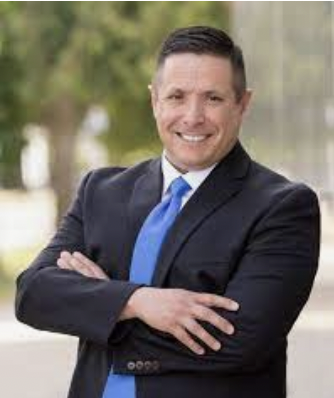
Anthony Hernandez
The webinar was hosted by Bill Maurer, dean UC-Irvine’s School of Social Sciences, and included a panel of experts who discussed different ways military and veterans are targeted by fraud and scams and how their organizations strive to protect and secure veterans’ financial well-being.
Maurer shared that UCI’s Veterans Studies Program, only one of three in the country, is designed to give back to those who have served as well as build awareness of veteran affairs and issues.
Anthony Hernandez, president/CEO, Defense Credit Union Council (DCUC), noted during the webinar that it is important to expand awareness of veterans’ unique lives and financial needs.
“While afforded additional protections because of their service, Veterans can experience challenges when transitioning to civilian life,” DCUC said. “By understanding these unique opportunities and challenges, credit unions can better serve the veterans within their fields of membership.”
Legislation Has Support
Lila Quintiliani, program director-financial and benefits education/counseling with the Military Officers Association of America (bMOAA), told the meeting the purpose of the MOAA is to specifically advocate on pay and benefit issues for military and veteran communities. The MOAA is currently supporting several pieces of legislation aimed at addressing military and Veteran members’ risks of scams and fraud, such as the Governing Unaccredited Representatives Defrauding (GUARD) VA Benefits Act, according to DCUC.
“This piece of legislation would reinstate criminal penalties for unaccredited representatives who charge veterans fees to file a VA claim,” DCUC said. “The Military Protection Task Force Act of 2022 is another bill that would offer military and Veteran members improved financial security by requiring the Department of Defense to establish an interagency task force on financial fraud to examine current and developing methods targeting servicemembers and veterans.”
Other Issues Highlighted
In addition, Quintiliani highlighted some of the issues veterans face along with how many are uniquely susceptible to fraud, often from cyberscams and cybercrime. Veterans are always encouraged to use Accredited Veteran Service Organizations (VSOs) for claim and appeal services, free of charge, and avoid risking their financial security, the organization added.
Meanwhile, Chip Dykes, VP-community development and chief warrant officer, USMC-Ret. with Frontwave Credit Union, shared details of his credit union’s veteran advocacy efforts.
“We want a financially-fit military, and financial education is the baseline,” said Dykes. “We teach budgeting, we teach savings, we teach credit, auto-buying, homebuying. That baseline education just grows with their military career as they go on.”
Dykes also emphasized that fraud is a very real and present issue, often targeting young service members and veterans.
Outreach Campaign
Jeanine M. Gilson, senior advisor for strategic initiatives in the Office of Financial Management with the Veterans Benefits Administration (VBA), told the meeting the VBA is also working to help veterans avoid fraud and scams.
“With a new outreach campaign currently underway, the VBA is educating veterans of common attempts and forms of fraud that specifically target our military communities,” the DCUC reported. “Aggressive emails, advertisements, and companies using some type of reiteration of VA colors to imply a relation to the VA are just a few examples of attempts often used to scam these vulnerable communities.”
Hernandez concluded his comments by touching on the free Veteran Benefits Banking Program (VBBP) available to all credit unions. The program offers veterans the ability to receive their benefits via direct deposit through access to a free checking account.