

WASHINGTON—With the National Defense Authorization Act (NDAA) for fiscal year 2021 being marked up this week, the Defense Credit Union Council is asking the Senate Armed Services Committee to “strike any provisions that would alter the status quo.”
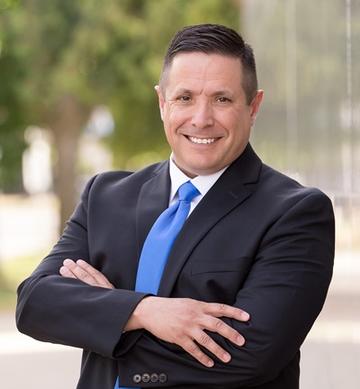
Anthony Hernandez
The status quo in this case refers to free leases and other benefits credit unions currently receive on military bases. Credit unions are fresh off a battle over that issue in the 2020 NDAA, during which the banking industry made some inroads in seeking free leases for bank branches on military facilities.
DCUC President and CEO Anthony Hernandez, in a letter to the committee, urged senators not to make changes to the Act that would lead to treating “banks and credit unions as equal entities in terms of obtaining no-cost land leases and waiver of utilities and service costs for the space they occupy on military installations.”
“The Defense Credit Union Council recognizes the important services that credit unions and banks provide to consumers on military installations,” Hernandez told CUToday.info. “These well-regulated financial institutions offer choices in financial products and services and guard against predatory lending practices. However, DCUC would be very concerned with any legislative language that benefits banks by going beyond DoD’s discretionary authority in this area; altering the status quo and thus putting defense credit unions at a disadvantage.”
‘Unfair to Military’
Hernandez noted last year the banking lobby advocated for a proposed amendment in the FY2020 NDAA Act that would have required DoD to treat for-profit banks as not-for-profit institutions in order to obtain no-cost land leases as a condition for staying on the installation.
“If DoD did not grant the banker’s wishes, then the legislation would have required DoD to charge credit unions the same as banks under the guise of equality. Yet, there was nothing in last year’s proposed amendment that would have required banks to return any of these savings to their customers,” noted Hernandez. “Therefore, the proposal was unfair to our military as potential savings would be put into the pocketbooks of bank shareholders versus our military, their families, and the communities in which they live. Fortunately, several members of Congress expressed concerns about this arrangement and the amendment was subsequently rejected. It is important for credit unions to be vigilant during the NDAA process as banks and other special interests will no doubt try once again to insert various restrictions or incursions that violate the signed operating agreements our members have with installation commanders.”