

WASHINGTON—Consumers suffer when credit unions are forced to curtail communications with member-owners, as they cannot receive the information they need, CUNA wrote to the leadership of a House Judiciary subcommittee.
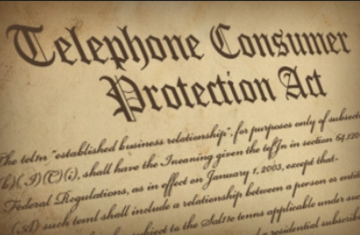
The letter was sent to the House Judiciary subcommittee on the Constitution and civil justice, which conducted a hearing on lawsuit abuse and the Telephone Consumer Protection Act (TCPA).
“Credit unions … may be more likely to settle litigation even if they did not purposefully violate the TCPA. In other words, the cost of defending a TCPA lawsuit coupled with the risk of crippling mandatory damage awards may be too great for many credit unions to bear, causing them to settle meritless suits,” the letter reads. “Not only does the risk of TCPA liability cause credit unions to settle meritless lawsuits, it also causes credit unions to stop certain important informational communications to consumers, and that hurts members.”
The letter notes that, with no cap on statutory damages, a credit union of any size defending a lawsuit for a technical violation of the TCPA could face a substantial resource burden, which ultimately falls on the credit union’s member-owners.
The letter also notes:
-
The structure of credit unions make TCPA class action litigation nonsensical, meaning member-owners would essentially be suing themselves;
-
The July 2015 omnibus ruling and order brought credit unions into a “state of disarray” about how they could comply. Further, the order creates obstacles to member communications and disregards consumer preferences to use modern forms of communication; and
- Other federal regulators have encouraged communications with consumers, bringing the TCPA order in conflict with rules from the Consumers Financial Protection Bureau, Fannie Mae and the Home Affordable Modification Program, among others.