

WASHINGTON—Ahead of a congressional hearing, NAFCU has again outlined its concerns related to the Small Business Administration (SBA) getting into the direct lending business.
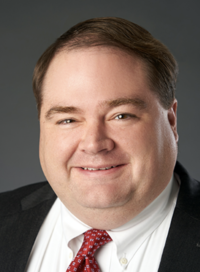
Brad Thaler
In a letter to House Small Business Committee Chairwoman Nydia Velasquez (D-NY) and Ranking Member Rep. Blaine Luetkemeyer (R-MO) ahead of this week’s hearing to review the Small Business Administration’s (SBA) top management performance challenges in FY 2022 and the SBA Office of Inspector General’s (OIG) semiannual report in Congress, Vice President of Legislative Affairs Brad Thaler presented NAFCU’s main concerns.
NAFCU’s chief concern is over a proposal included in the fiscal year 2022 budget reconciliation package, the Build Back Better Act (BBBA), that would grant the SBA explicit direct lending authority. Under the proposal, the SBA would be able to offer 7(a) of $150,000 or less directly to small businesses.
Would ‘Undermine’ Partnerships
The association noted it has strongly advocated against this provision since its introduction, stating that it would undermine partnerships between the SBA and private financial institutions, like credit unions, that have historically supported small businesses’ loan needs.
“Even though the SBA has authority to make direct loans now, they have not exercised this authority… since 1998 due to the challenges associated with them, including a history of higher rates of fraud and defaults,” wrote Thaler, noting that the OIG report before the Committee points out these problems in the SBA-administered EIDL program as an example.
NAFCU noted the trade association and its credit union members “wholeheartedly” recognize and support the need to expand access to small-dollar business loans, and have exemplified these efforts through credit unions’ role in helping many small businesses through the SBA’s Paycheck Protection Program (PPP). Early in the pandemic, 70% of NAFCU members that were not involved in SBA lending but did participate in PPP expressed interest in becoming a regular SBA lender.
Other Potential Issues
However, this direct lending proposal could result in issues for small businesses given the rise of interest in SBA lending programs and its lack of “requisite experience as a lender nor established lending infrastructure to successfully carry out a program of this magnitude,” according to Thaler.
The association said it does support other means to support small business lending through legislation such as the Member Business Loan Expansion Act, which would make it easier for credit unions to offer smaller business loans under $100,000 by ensuring these loans do not count toward the arbitrary credit union MBL cap.